What happens at a Japanese shrine at New Year, from someone whose year starts beside a shrine fire.
Budget: a coin for the offering box · omamori charms around ¥500–1,000
Where: any shrine in Japan, and the small ones are the best
Watch out for: not much. The whole ritual is four steps, and I walk you through them below
1. New Year, not Christmas, is Japan’s real holiday for family, food, and the year’s first shrine visit, called hatsumode
2. At the shrine there is often a sacred fire where people warm their hands and return last year’s charms to the flames
3. The prayer ritual is simple: coin, two bows, two claps, one wish, one bow
4. Skip the very famous shrines and go to your local one. The atmosphere is better there
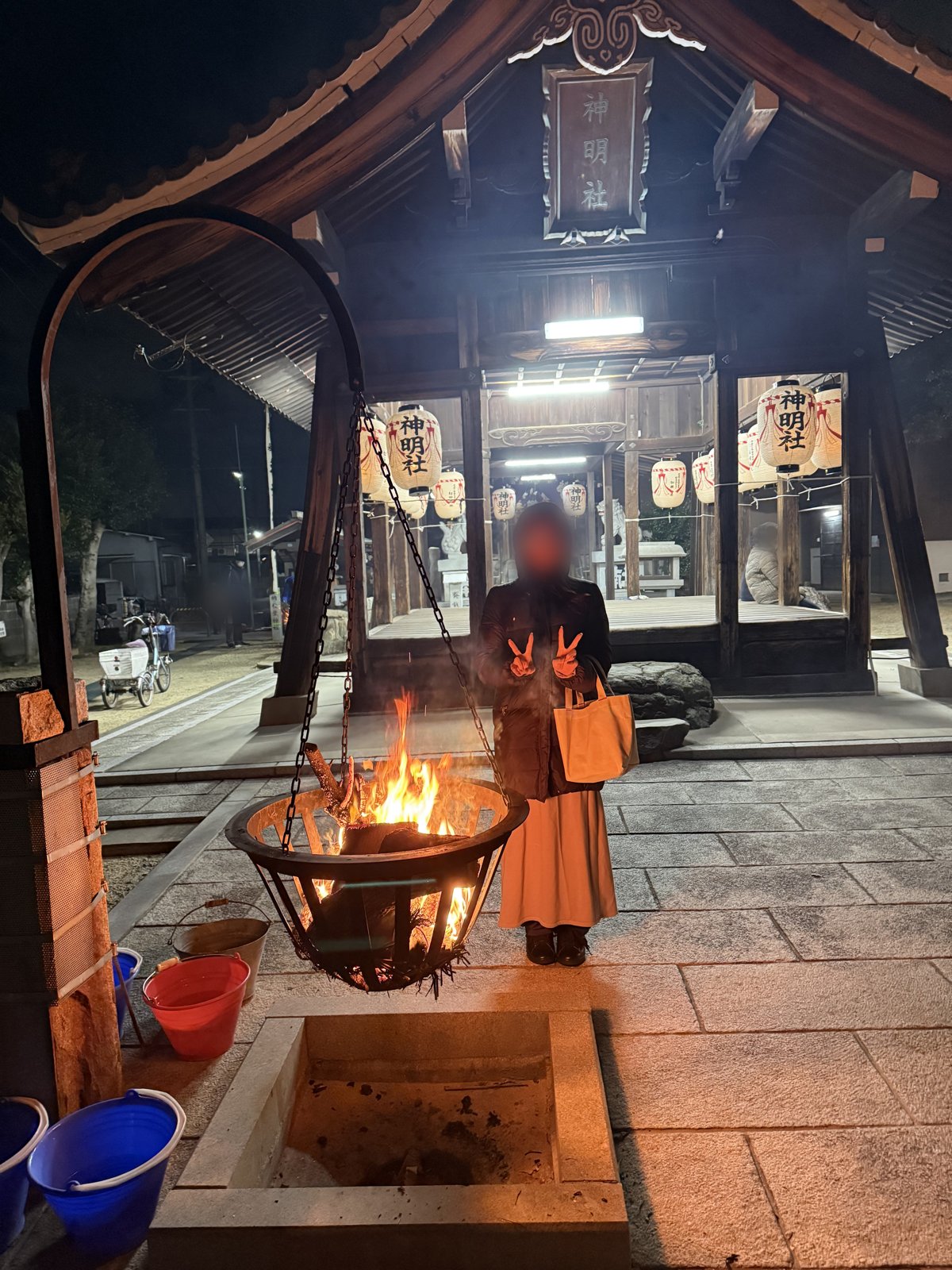
Every January my husband and I put on our warmest coats and walk to the local shrine. It is not a famous one, just the small Shinmei shrine that has served our neighborhood for generations. Paper lanterns hang along the eaves, an iron basket of fire hangs over a stone pit, and neighbors come in after midnight and through the first days of the year to bow, clap, toss coins and warm their hands. This year I stood by that fire until my gloves smelled of woodsmoke. If you are in Japan over New Year, you can join in, and I think it is the most Japanese thing you can do, more than any paid attraction.
Hatsumode, step by step
- Enter under the torii gate with a small bow; walk the edges of the path rather than dead center (the center is, politely, for the deity).
- Rinse your hands at the water basin if one is open: left hand, then right hand. Nobody minds if you get it a little wrong.
- At the main hall: toss a coin into the wooden box (the classic is ¥5, because the word for it sounds like “good fortune”), ring the bell rope if there is one, then two deep bows, two claps, one silent wish, one final bow.
- Then the good part: buy an omamori charm or a fortune slip, then go and warm your hands at the fire. That is the whole New Year visit.
 TSŪ INFORMATION
what Japanese connoisseurs know
The fire is where the old year ends. Omamori charms and shrine decorations are believed to give a year of protection, so at New Year people bring last year’s back to the shrine to be burned with thanks, then buy fresh ones. Around mid-January many shrines hold a bigger ceremonial burning of New Year decorations (the event goes by different names region to region; dondoyaki is a common one). The 通 point: in Shinto you do not throw these things away; they are returned. People bring old charms, last year’s arrow talismans and pine decorations to the fire, and the whole town settles up with the old year.
What else is happening at New Year
- Osechi & mochi: families eat lacquer boxes of symbolic New Year dishes and grilled rice cakes. Department store food halls sell elaborate osechi sets in the last days of December, and they are worth a look even if you do not buy.
- Fukubukuro: from January 1–2, shops sell sealed “lucky bags” of discounted mystery goods. People queue outside department stores for them on the 1st, and the queues are fun to watch.
- The honest downside: January 1–3 is when Japan actually closes. Many restaurants and small shops shutter, and the famous shrines (Meiji Jingu in Tokyo, Atsuta in Nagoya) run queues measured in hours. Konbini, chains and stations stay open, so you will not starve, but plan those days loosely.
Show this to nobody, just whisper it
Where are the fortune slips? (おみくじはどこですか? omikuji wa doko desu ka)
One charm, please (お守りを1つください, omamori wo hitotsu kudasai)
Fortune slip (おみくじ, omikuji) · tie a bad one to the rack and leave the luck behind
FAQ
Can non-Japanese visitors join hatsumode?
Yes. Shrines are open to everyone, and nobody will look twice at you. If you follow the steps above, you are doing it correctly.
Midnight or daytime?
Midnight on December 31 is the big moment, with bells, crowds and the first prayers of the year. Daytime on January 1–3 is calmer and warmer, and it counts just the same. I like a small shrine after dark, while the fire is going.
Is it religious? Am I intruding?
Most Japanese people would describe hatsumode as tradition more than theology. The same person visits a shrine at New Year, a Buddhist temple for funerals, and a chapel for weddings, and sees no contradiction. Being curious and polite is enough.
• Hatsumode = the year’s first shrine visit, Jan 1–3 · Japan’s real holiday
• Ritual: coin → two bows → two claps → wish → bow
• The fire is for returning last year’s charms, and for warming travelers’ hands
• Small neighborhood shrines beat the famous ones for atmosphere
• Jan 1–3 many shops close, so plan loosely
• From our own neighborhood shrine · nobody paid us anything
More from us: visiting in December? Read our Christmas in Japan guide for the other half of the winter story. Planning the whole trip? Start with the Perfect Japan Guide.
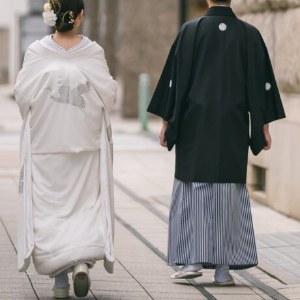
More from us: the most formal kimono most Japanese people ever wear is the bridal one. Our shiromuku guide.