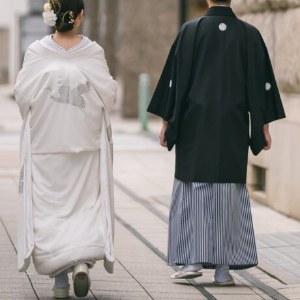
Updated July 2026. Every photo and price is from our own week in Tokyo.
Budget: ¥300–1,250 (≈ $2–8) per stop
Where: all in central Tokyo, all near stations
Hardest part: not much. Pointing works everywhere, but one stand is cashless-only (details below)
1. Tokyo’s sweets scene runs from 150-year-old bakeries to viral donut queues (do both in one day)
2. Matcha stands are taking the place of espresso bars; the good ones are cashless-only, so have a card or IC card ready
3. Craft chocolate and depachika sweets make the best flat, unbreakable souvenirs
4. Whatever you love, buy two (the second one is explained at the end of this article)
Tokyo takes dessert seriously, and a lot is happening in sweets right now. In one week we drank ceremonial-grade matcha at a standing counter, held single-origin chocolate made three meters from where we bought it, picked up the city’s most viral nama-donut at i’m donut ?, chased the Dubai-chocolate craze through GINZA SIX, and finished with a bun that was once served to an emperor. Here is the crawl, with real prices.
Use this article as the overview: Tokyo’s sweets scene in one crawl. Four stops now have their own longer guides: matcha stands, nama-donuts, craft chocolate and dorayaki (for when one stop hooks you and you want to go deeper).
Stop 1: the matcha stand, Japan’s new espresso bar
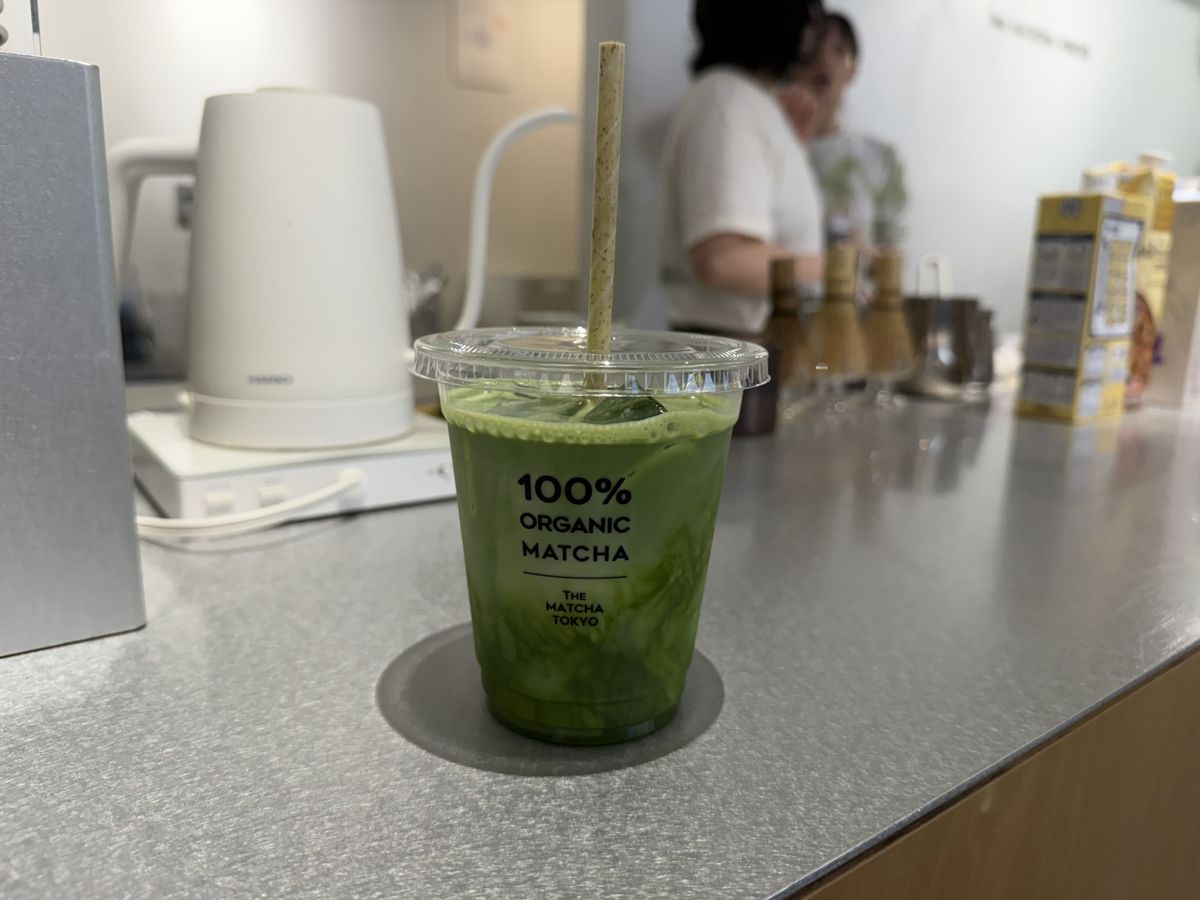
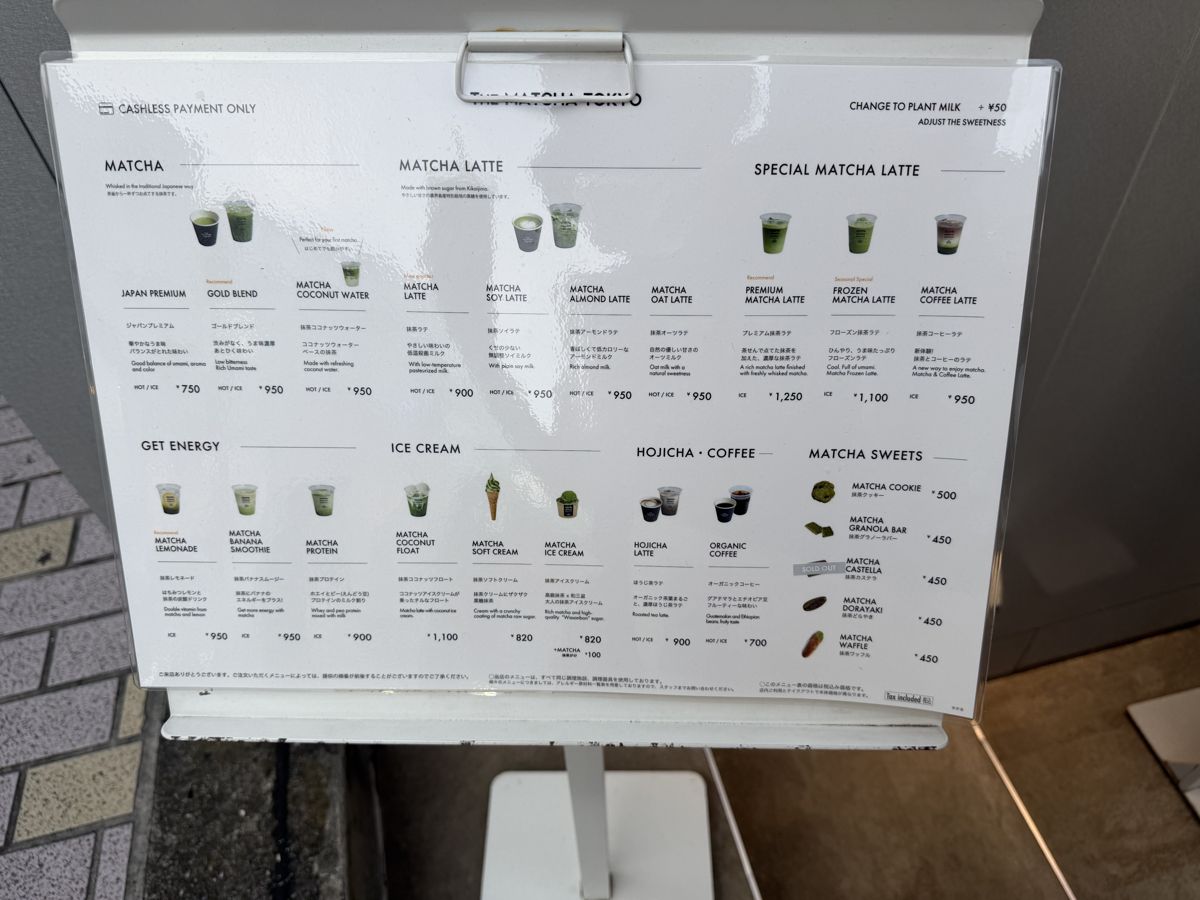
Ten years ago a counter like this would have been making espresso. Now people queue at the matcha stand. At chains like THE MATCHA TOKYO, organic ceremonial matcha is whisked one cup at a time and handed over a counter: straight matcha from ¥750 (≈ $5), lattes around ¥900–950 (≈ $6), a premium whisked-to-order latte at ¥1,250 (≈ $8). Two practical notes from our visit: it is cashless-only (credit card or IC card; no yen accepted), and “Gold Blend” style menus mean the shop blends for umami rather than bitterness. If you think you do not like matcha, try it here before you decide. Want the full menu, the samurai history and the fake-matcha checklist? Our matcha stand guide goes deep.
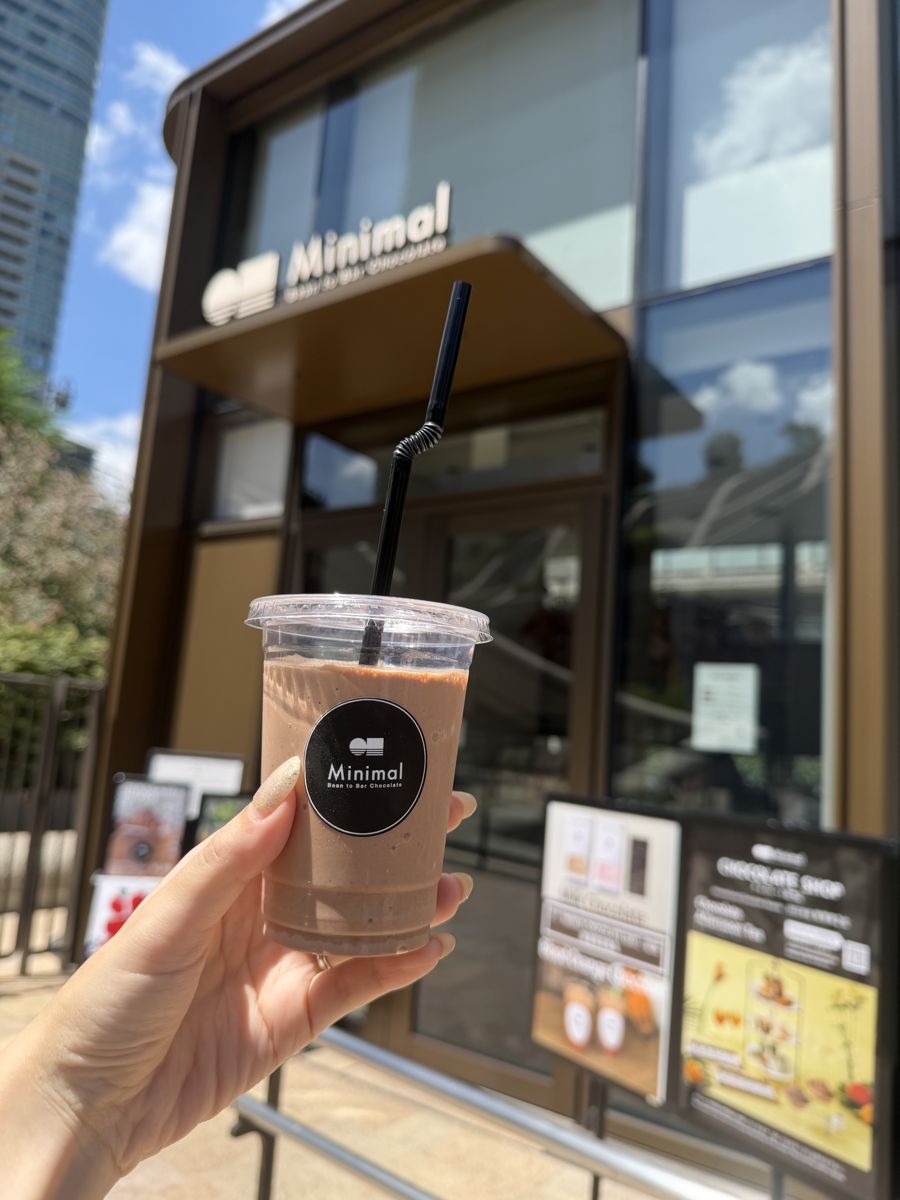
Stop 2: bean-to-bar chocolate at Minimal
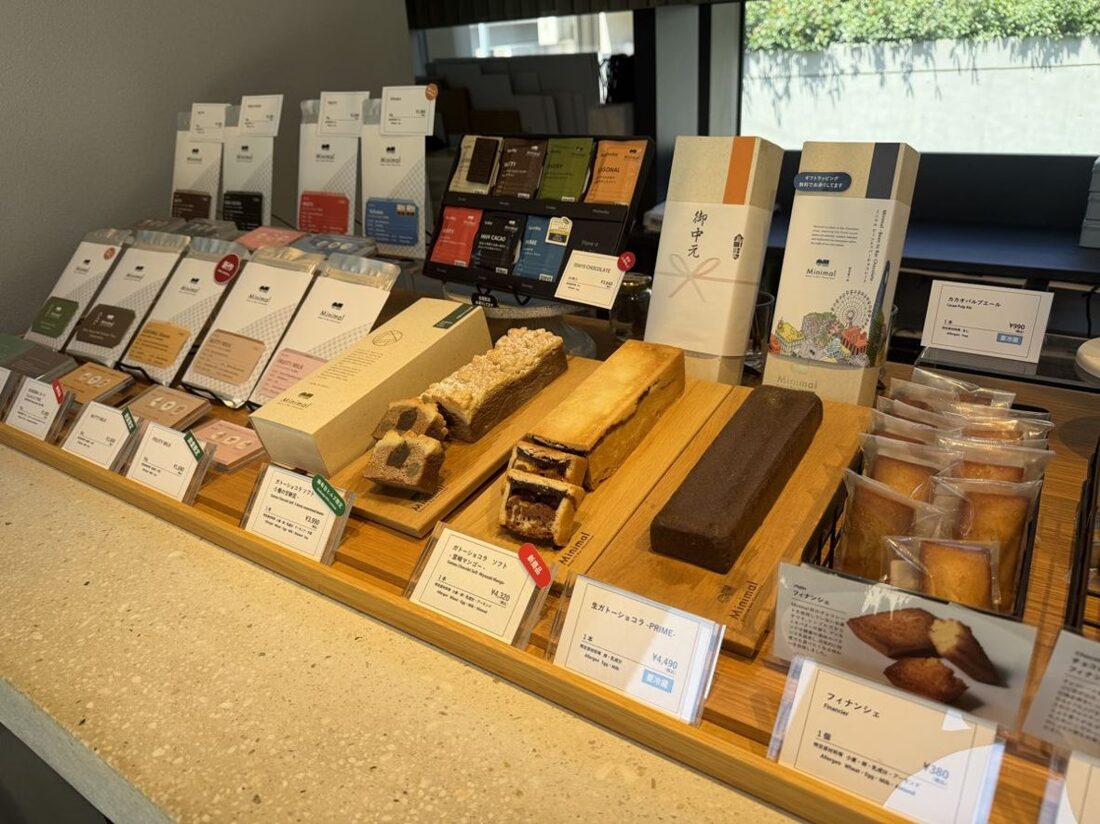
Minimal is Tokyo’s pioneer of bean-to-bar (the shop buys cacao beans directly from farms and does everything else in-house, roasting and grinding until the bar tastes of one specific place). The bars are flat and hard to break, so they pack well as souvenirs, and bean-to-bar here started in Tokyo rather than being copied from Paris. We left with an iced chocolate drink that tasted like a cold chocolate bar you could drink. The full story (free tastings of every origin, and how to taste like a connoisseur) is in our Minimal guide.
Stop 3: the donut everyone queues for
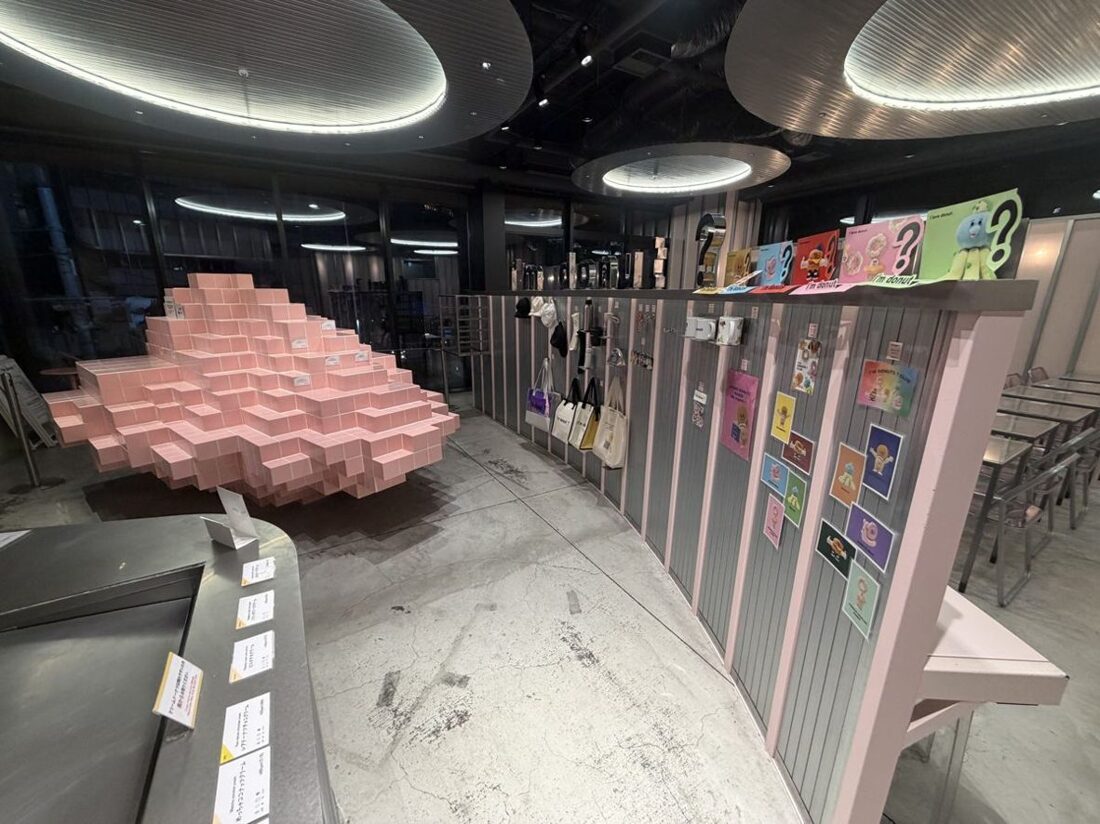
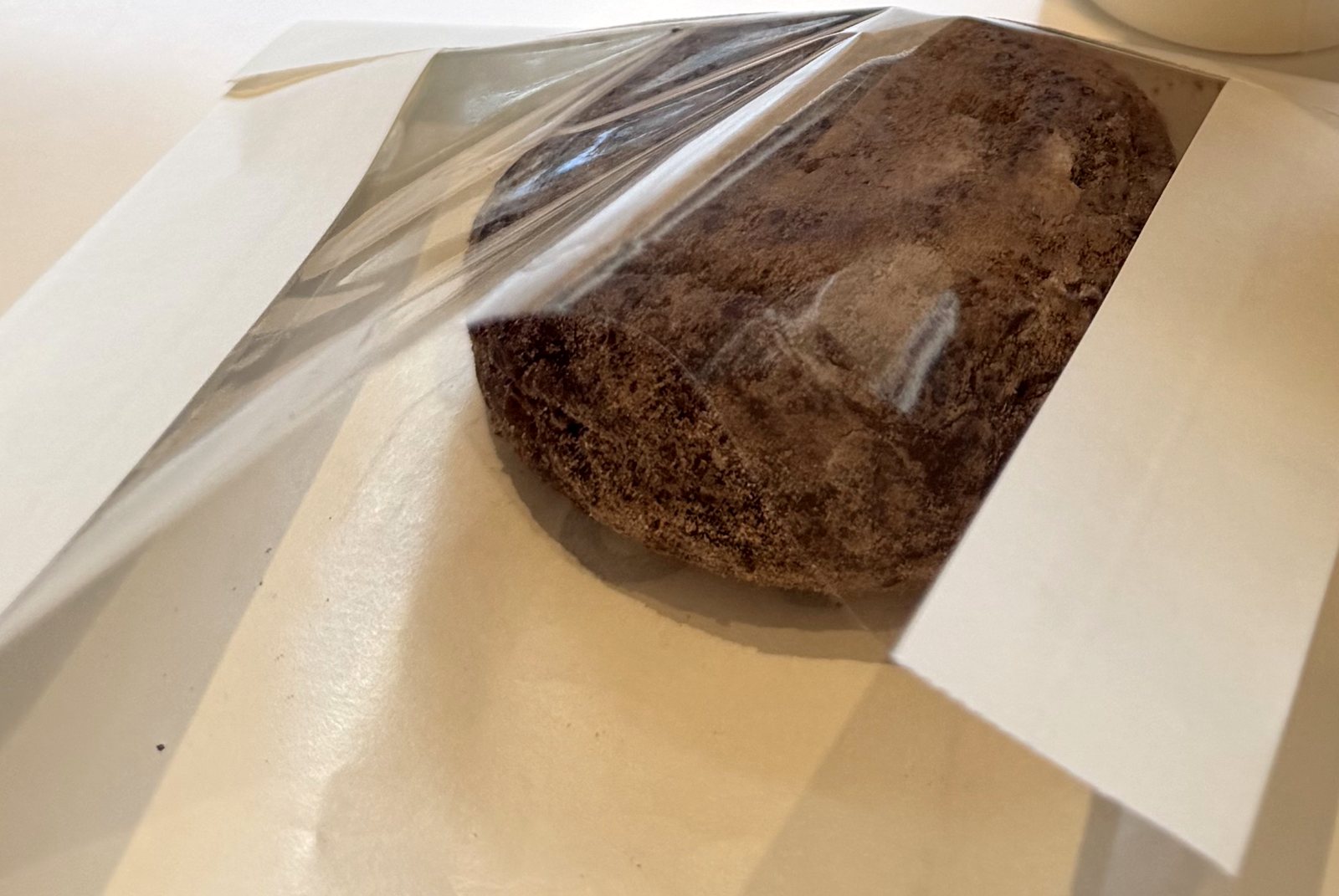
i’m donut ? (the question mark is part of the name) set off Japan’s nama-donut boom. “Nama” means fresh or raw, and here it means a very soft donut. Most are in the ¥200–400 (≈ $1–2) range. Order the plain one first, then the cocoa-dusted chocolat below. Queue strategy, the Fukuoka backstory and what to order: our nama-donut guide has it all.
Stop 4: Dubai chocolate, Tokyo-style
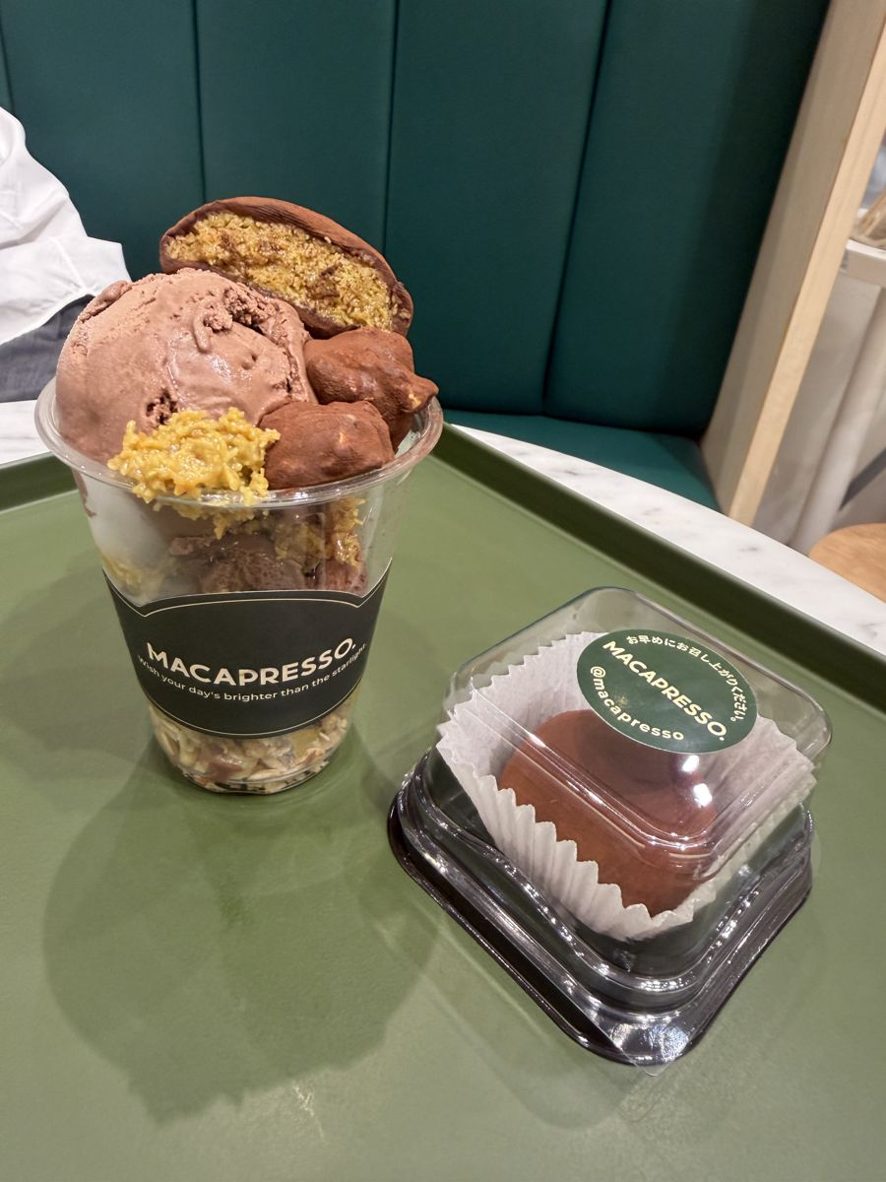
If you use social media, you have probably seen Dubai chocolate (milk chocolate filled with pistachio cream and crackly shredded pastry). It is very popular in Japan right now, and MACAPRESSO, a Korean-born dessert chain, spun it into two SNS-famous creations: a Dubai chocolate parfait and Dubai choco-mochi. We caught them on the limited-time menu at GINZA SIX (map). By the time you visit they may be gone, replaced by the next thing people online are queuing for. That is the reason to come here: you taste whatever is trending in the month you are in Tokyo.
Stop 5: the bun that charmed an emperor
 TSŪ INFORMATION
what Japanese connoisseurs know
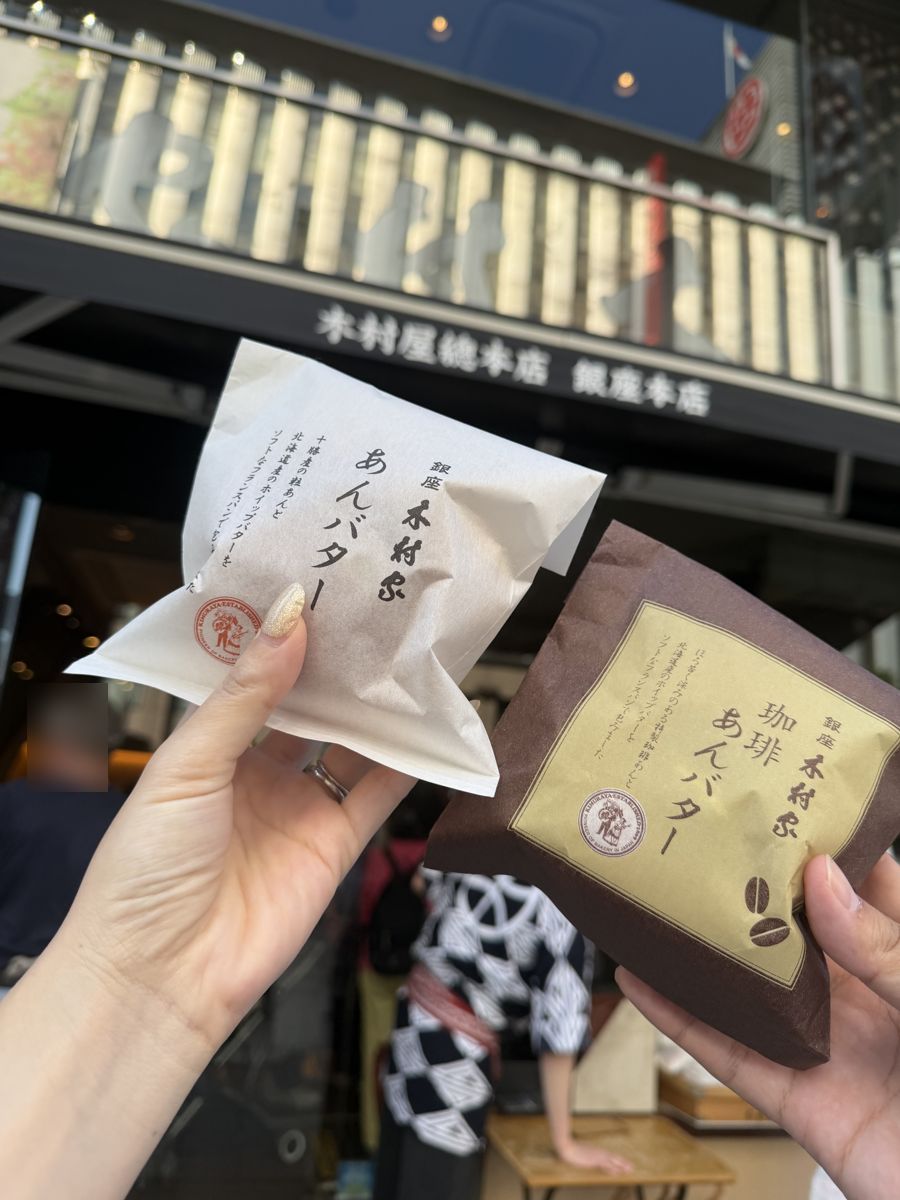
Kimuraya Sohonten, a few minutes from Itoya in Ginza, put Japanese red bean inside Western bread. Founded in 1869, the bakery invented anpan (a soft bun filled with sweet red-bean paste) in 1874, and in 1875 its sakura anpan was served to Emperor Meiji at cherry-blossom viewing. He liked it, the bun became famous, and the same family business is still baking on the same street 150 years later. Order the an-butter: chilled butter and sweet bean paste in soft French bread, and maybe the best ¥400-ish (≈ $2) thing in Ginza · open in Google Maps.
Interlude: coffee to reset the palate
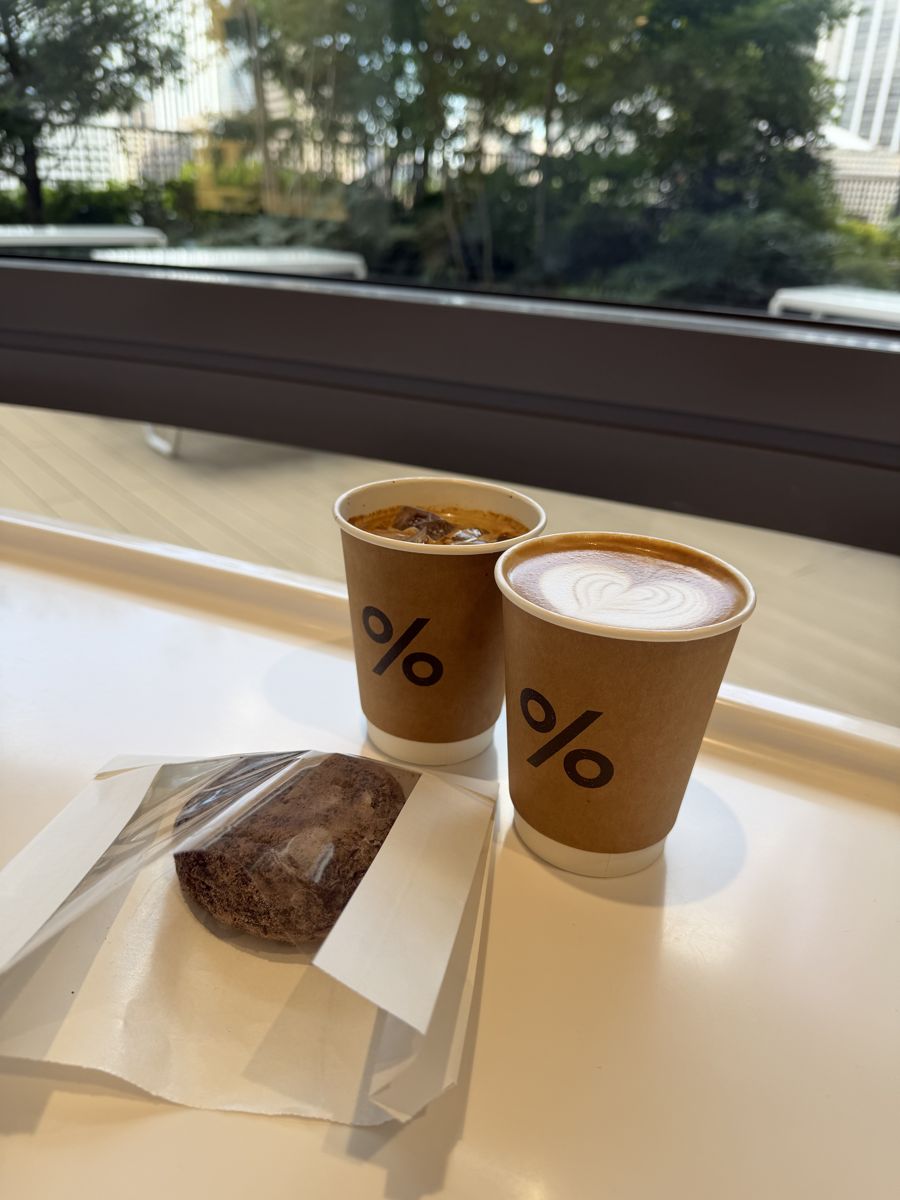
Between sweets, coffee. % Arabica started in Kyoto and now has shops on street corners around the world; the Tokyo kiosks look good in photos and the lattes are serious. It is a good place to sit down, compare notes, and decide which stop deserves a second visit.
The rule of two
 IKI STYLE
the Japanese idea of cool
Japan runs on 手土産 temiyage (the small gift you bring when visiting someone). Sweets are the usual gift, which is why every shop above will box your purchase nicely without being asked. So my advice: whatever you love on this crawl, buy it twice. One for now, and one boxed for the friend who is watering your plants back home. That second one is a souvenir and also how temiyage is done here.
• Matcha stands = new espresso bars · from ¥750 (≈ $5) · often cashless-only
• Minimal = Tokyo-born bean-to-bar chocolate · flat, unbreakable souvenirs
• i’m donut ? = the nama-donut queue worth joining once · order the plain one
• Kimuraya, Ginza = anpan since 1874, emperor-approved · get the an-butter
• 粋 move: buy two of everything; 手土産 temiyage culture will explain the second one
• Prices from our July 2026 receipts; nobody paid us anything
More from this trip: the raw photos are in our Tokyo camera roll, and Kimuraya is a five-minute walk from the twelve floors of Ginza Itoya. Caffeine for the walk between them: our Japanese coffee guide. Planning the whole trip? Start with our Perfect Japan Guide for live exchange rates, pocket phrases with native audio, and everything we tell friends before they visit.
Read next
One more neighbourhood worth a morning: Kuramae, east of Asakusa, for scones, a canal-side coffee and the mt masking-tape shop (prices in the linked walk).