Updated July 2026. I carried our donuts through Harajuku, and the plain one was gone within the first ten minutes.
Budget: most donuts ¥237–518 each
Where: i’m donut ? in Nakameguro, Shibuya, Harajuku, Omotesando and beyond
The catch: zero. Point, pay, eat fast
1. Nama-donut (“fresh” donut): a very soft, springy donut that eats like warm bread. It is the biggest sweets trend in Japan this decade
2. The shop that started it all is i’m donut ?. Yes, the question mark is part of the name
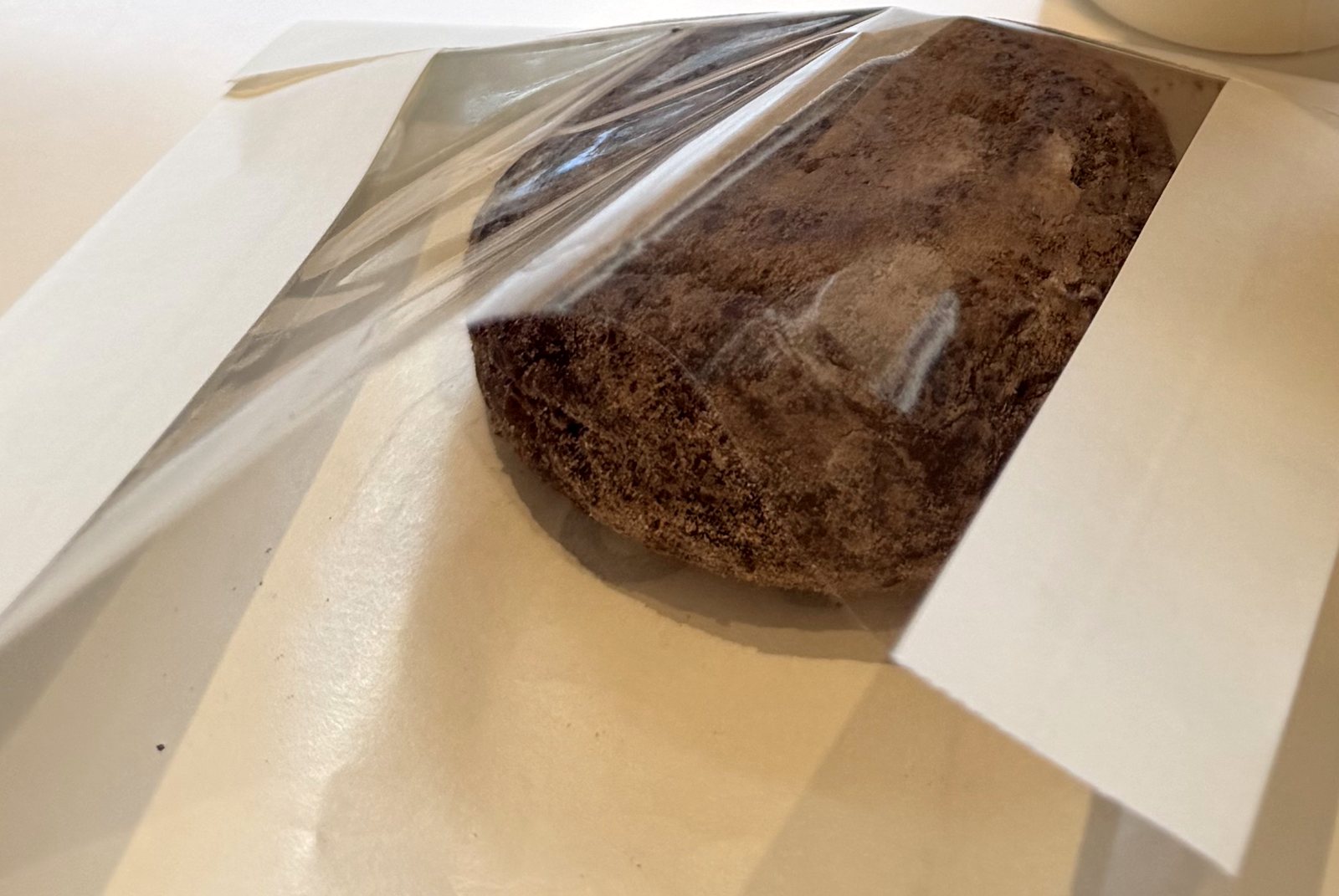
3. Order the plain one first; it shows you what the fuss is about. Then get one flavored. Ours was the cocoa-dusted chocolat
4. Queues average about 30 minutes at popular hours. Go early or late, and know flavors sell out
5. Eat it within minutes. It does not stay at its best for long
Tokyo’s big bakery trend of this decade is the nama-donut. If you have seen a neat Japanese queue wrapped around a pink-lit shop, you have probably seen one of theirs. My husband and I bought ours at i’m donut ? during our July week in Tokyo. This guide is what I wish I had known standing in front of the case: what “nama” means, what order to eat them in, and what time of day to go.
What exactly is a nama-donut?
生 nama means “fresh” or “raw,” and in food marketing it means a texture that does not survive shipping, freezing or waiting. A nama-donut is fried like a donut but made like brioche: high-hydration dough, barely sweet, and so soft it almost feels alive when you pick it up. The crumb stretches instead of tearing and the surface gives like a pillow. It is much closer to warm bread than to donuts sold by the dozen, because a baker invented it.

 TSŪ INFORMATION
what Japanese connoisseurs know
i’m donut ? did not come from nowhere. Its owner-chef Ryota Hirako first became a cult figure with AMAM DACOTAN, a Fukuoka bakery with famous queues of its own. The nama-donut is that bakery’s bread-making applied to a donut, which is why it eats like brioche. The first i’m donut ? opened in Nakameguro in 2022, and the queues have not really stopped since. The brand now has gluten-free and vegan lines, and even a burger shop, Neo Nice Burger, in the same Shibuya building. The 通 thing to know is the Fukuoka bakery behind it: a bakery started this trend.
What to order, and in what order
- Price: most donuts land in the ¥237–518 range, cheap enough to order three without thinking.
- My take: start with the plain. If you skip it you have not really had a nama-donut. My second was the cocoa-dusted chocolat: the same soft texture, with a bitter cocoa coating so it is not too sweet. The downside is that these do not keep. By evening most of the texture is gone.
- Flavors rotate and sell out. By late afternoon the case is often half empty; they are made to be eaten the same day, so they run out.
Every flavour, and what you actually pay
This is the whole order sheet, copied off the one we filled in ourselves. The shop prints two numbers for each donut: the shelf price, and the tax-included price in brackets. The bracketed number is what you hand over. Those are the ones below.
One more line at the bottom of the sheet is easy to miss: ビニール袋, the plastic carrier bag, with a box to tick. It is ¥30 and it is not automatic. Tick it if you are not walking straight to a bench.
How to do the queue like you have done it before
- Pick your hour. Average waits run around 30 minutes; weekend mid-afternoon is the worst. Right at opening or the last hour before close is calmer, but late means fewer flavors.
- Decide before you reach the case. The line moves fast at the counter; know your plain-plus-one order.
- Point and count. You do not need English or Japanese. Pointing works, and the staff are used to visitors.
- Eat the plain one within ten minutes. Find a spot outside, follow the local habit of not eating while walking, and eat it while the crumb is still warm and soft.
Show this to the staff
One chocolate one, please: ショコラを1つください
Which ones are still available?: 今買えるのはどれですか?
To go, please: 持ち帰りでお願いします
 IKI STYLE
the Japanese idea of cool
Eat the plain one near the shop while it is at its best, and carry exactly one flavored donut away for later, or for the person you are traveling with. By the time a full box reaches your hotel, they are just good donuts.
Quick facts: i’m donut ? in 2026
Queue: ~30 minutes typical at busy hours; quieter at open and near close
Prices: most items ¥237–518
Note: a separate gluten-free & vegan line, which is rare for Japanese bakeries
FAQ
Can I take nama-donuts home as souvenirs?
Across town, yes, but not on a flight home. The texture fades within hours. For sweets that survive a suitcase, craft chocolate or tinned matcha travel much better (see the links below).
Is there really a gluten-free option?
Yes. The brand runs gluten-free and vegan lines, unusual for Japan. Check which shop carries them before queuing if it matters to you.
Are all the shops the same?
The core donuts are the same everywhere; lineups and exclusives vary by shop. The Shibuya building also has Neo Nice Burger, so you can switch from dessert to a burger without leaving.
Why the question mark in the name?
It is part of the brand name. It is also what you might say when you take the first bite of the plain one: “I’m… donut?”
• Nama-donut = fresh, brioche-soft donut · invented at i’m donut ? (Nakameguro, 2022)
• Order: plain first, one flavored second · most ¥237–518
• Queue ~30 min at peak · go at open or near close · flavors sell out
• Eat within 10 minutes. This donut does not travel
• 通 fact: the founder comes from Fukuoka bakery AMAM DACOTAN, which is why it eats like bread
• From our July 2026 trip · nobody paid us anything
More from this trip: this was Stop 3 of our Tokyo Sweets Crawl: matcha stands, craft chocolate and an emperor’s anpan in one day. Matcha next? Our matcha stand guide covers the shop where the crawl began. Planning the whole trip? Start with our Perfect Japan Guide.
More from us: the older, cheaper filled-bun tradition is Kimuraya’s 150-year-old anpan, and the drink to go with either is in our Japanese coffee guide.