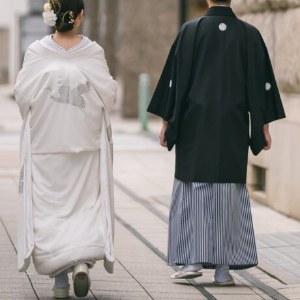
I was born and raised in Nagoya. Onigiri is the food I would choose for my last meal, and it costs about ¥200.
Budget: ¥150–400 per onigiri · teishoku sets around ¥1,000
Where: everywhere, from konbini shelves to small specialty shops like the one below
What trips people up: nothing; it is a rice ball
1. Onigiri (rice pressed around a filling, wrapped in nori) is Japan’s oldest fast food, around a thousand years before the konbini
2. Konbini onigiri is great; a specialty shop’s is another food entirely: warm rice, pressed to order
3. The pro move: an onigiri teishoku (rice balls with miso soup and sides), one of Japan’s best cheap breakfasts
4. Start with salmon or tuna-mayo; locals pick umeboshi (pickled plum)
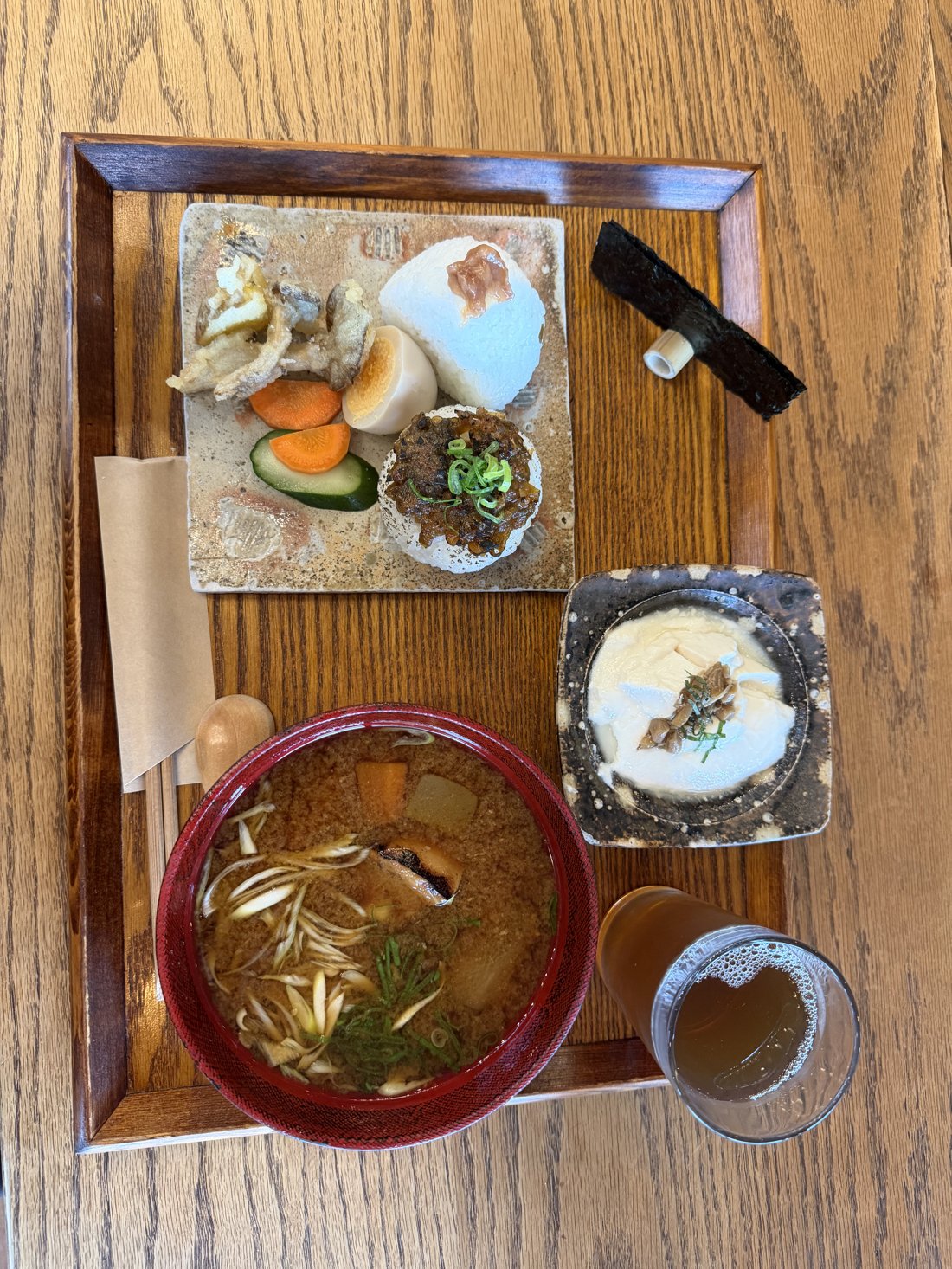
Most Japanese people have an onigiri memory, like a parent pressing rice for a school trip or a triangle eaten on a train platform. It is our sandwich and our comfort food, and the first thing I miss abroad. Most visitors first try it from a convenience store, which is a fine place to start. But my husband and I recently sat down at a small onigiri specialty shop, and I saw his face change at the first bite: the rice was warm and loosely pressed so it fell apart in the mouth, and the nori was still crisp. This article takes you from the konbini to a shop like that.
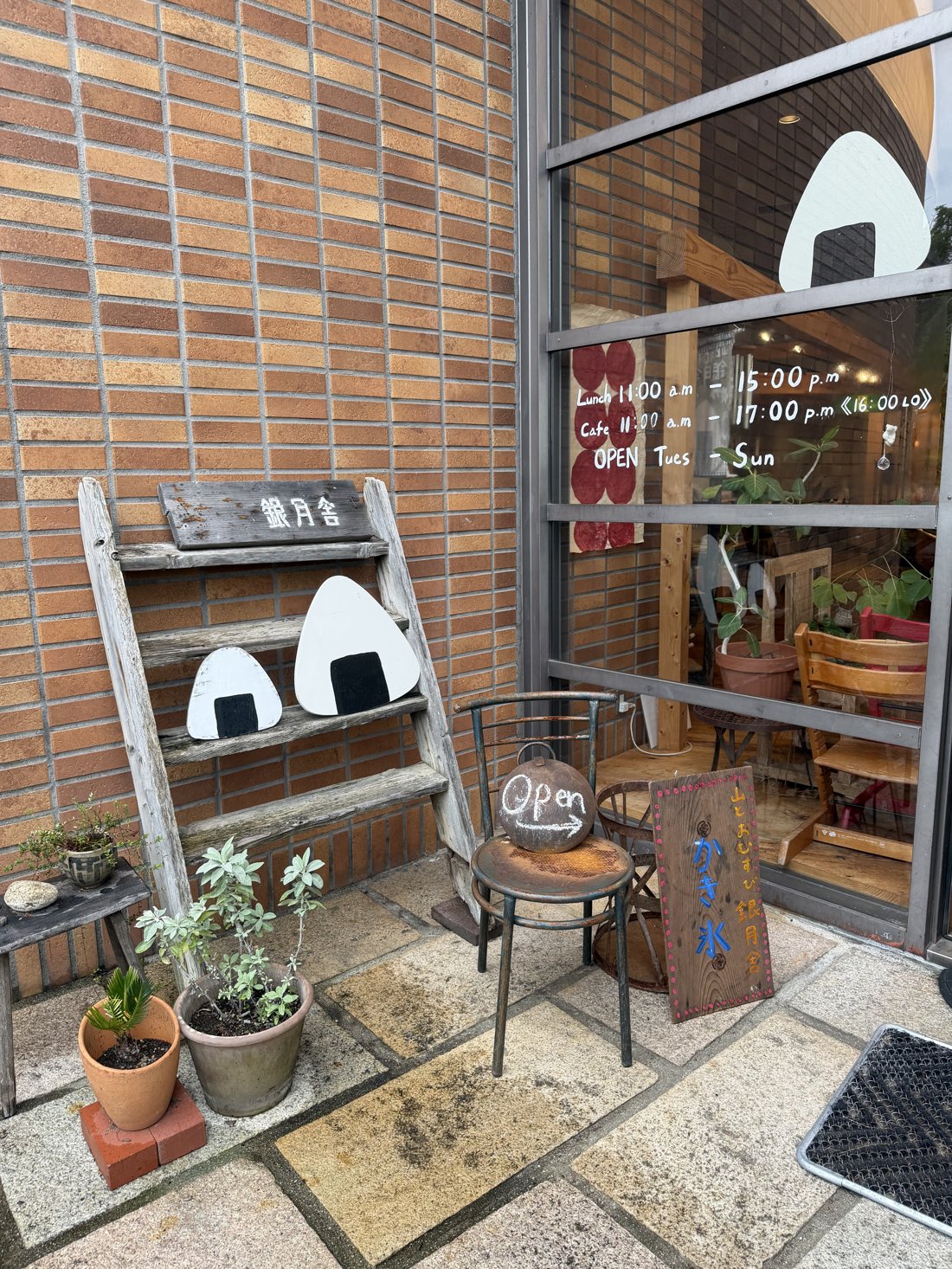
Map: Gingetsusha on Google Maps
Konbini vs specialty shop: both, in that order
- Konbini (¥150–250): clever packaging: the plastic keeps the nori crisp until you pull the tab. Follow the numbers 1-2-3 printed on the film; everyone gets the first one wrong.
- Specialty shop (¥200–400): rice still warm, pressed when you order, fillings from a handwritten menu. My take: once you have had a warm one, the konbini version feels like a very good emergency copy.
- The teishoku: a set of two or three onigiri with miso soup and pickles, around ¥1,000 . Have it for breakfast and any Japanese grandmother would approve.
 TSŪ INFORMATION
what Japanese connoisseurs know
Onigiri is old: rice balls appear in written records over a thousand years ago, and samurai carried them to war as field rations. The word you can drop: おむすび omusubi, the other name for onigiri, which many shops prefer; one folk explanation ties it to musubi (“binding”), the idea that hands pressing rice bind a wish into it. So homemade onigiri from someone who cares about you is thought of as a different food from anything you can buy. If you order umeboshi and say “omusubi,” the shop owner will notice.
Show this to the staff
Which filling do you recommend? (おすすめの具はどれですか?)
The set meal, please (定食をお願いします)
To go / eating here (持ち帰りで/ここで食べます)
FAQ
Are they eaten hot or cold?
Room temperature or warm. Konbini staff will offer to heat some varieties; say yes to anything with meat.
What filling should a first-timer avoid?
Nothing is scary. Umeboshi is very sour, and that is why locals love it, so you may want to try it after the others.
Hands or chopsticks?
With your hands. Onigiri is hand food, even at a sit-down shop, so nobody will be judging your chopstick technique.
• Onigiri = Japan’s original fast food · ¥150–400
• Konbini first, then upgrade to a specialty shop for warm rice
• Breakfast move: onigiri teishoku with miso soup, ~¥1,000
• 通 word: omusubi · 通 filling: umeboshi
• Eaten with hands, always · from our own table · nobody paid us anything
More from us: for sushi with wheels under it, our kaiten sushi guide is next. Planning the whole trip? Start with our Perfect Japan Guide.
More from us: point at one without saying a word using our ordering guide, or meet rice’s sweeter cousin in inarizushi.