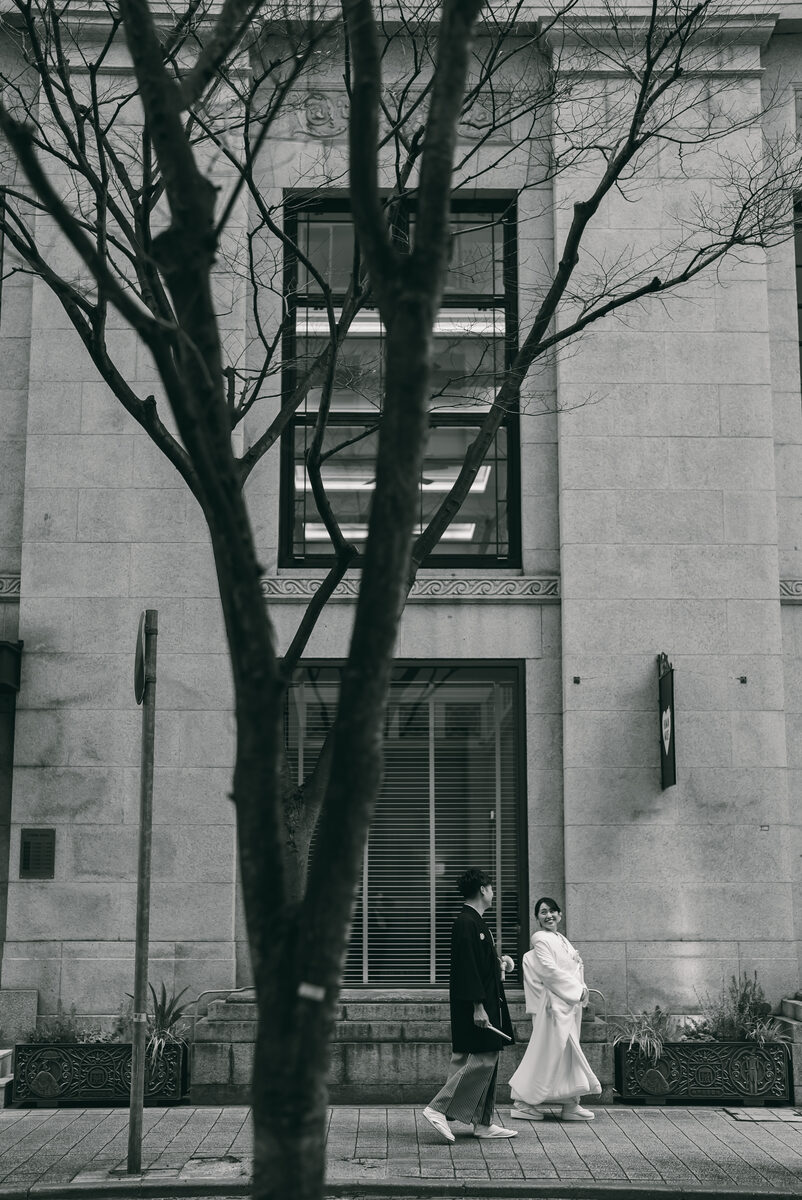
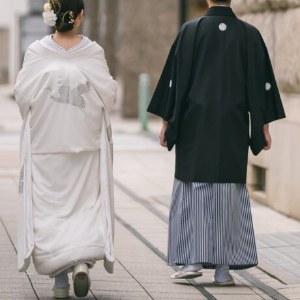
Renting a kimono for a day is one of the most popular things foreign visitors do in Japan, and it is easy to get slightly wrong. Looking good in it does not depend on money. It depends on about eight small decisions. As locals (and recent formal-kimono renters ourselves), here’s our honest guide.
What the plans include
- Basic plan: kimono, obi, sandals, bag, dressing included. You return it by evening.
- With hair styling: For most people this is the best upgrade. Hair makes more difference than a more expensive kimono.
- Premium / antique / silk plans: Noticeably better fabric in photos.
- Couples plans: men’s kimono included, and yes, men should do it too.
- Next-day return or hotel delivery: some shops offer it; worth it if you want evening photos.
We have not rented from a tourist kimono shop ourselves, so we do not quote their prices here. Each shop posts its plans and prices at the door and on its own website. Compare two or three before you book.
Where: Kyoto (Gion, Kiyomizu area) and Tokyo (Asakusa) have hundreds of shops; Kanazawa and Kamakura are quieter and lovely. Book online a few days ahead in cherry-blossom and autumn seasons. Morning slots go first, and morning is the best time for photos anyway.
How to not look like a costume
- Left over right. Always. The dresser will do this correctly, so just don’t “fix” it later. Right-over-left is how the dead are dressed for burial, and it is the one real mistake.
- Pick two colors, not five. The rental racks push loud florals at tourists. The best-looking results usually have one main color plus one accent in the obi. If you can’t decide, choose the plainer kimono and the more interesting obi.
- Let the collar breathe. A fist-width of visible nape at the back collar is the classic line. The dressers know this, so leave it to them.
- Small steps. The kimono makes you walk a certain way: narrow steps, toes slightly inward. If you fight it, you look awkward and the dressing comes loose.
- Mind the sleeves. Hold them when reaching for anything: shrine water basins, food stalls, escalator rails. Most accidents in rental kimono happen because of the sleeves.
- Bag: theirs, not yours. A backpack over a kimono ruins the look. Rental plans include a small kago bag; leave your big bag in the shop’s free locker.
- Phone in the obi is fine. Tucking a phone or fan into the obi is period-accurate behavior, not disrespect.
- Weather honesty: July–August in kimono is very hot. Choose a yukata plan in summer instead: lighter cotton, same photos, and it is what people wore in summer historically anyway.
Is it disrespectful for foreigners to wear kimono?
People ask this a lot online, so here is the answer from someone who lives here: no, wearing kimono respectfully is welcomed here. Rental shops exist largely for visitors, kimono makers want more people wearing kimono, and almost all Japanese people see visitors in kimono at a temple as joining in, not appropriation. Wear it properly (left over right, walk gently, don’t treat it as a joke costume) and you’re doing it right.
Want the full bridal version?
Day rental is the light version. If you want the full production (shiromuku or montsuki, professional dressing, a photographer who directs you through a historic district), that’s a studio photo plan, and we wrote up exactly what ours cost, receipt included. Between the two sits a middle option many studios offer visitors: kimono + professional photos without the bridal styling.
Part of our Kimono & Japanese Weddings series. What the formal garments mean (shiromuku, montsuki, the crests) is explained in Japanese wedding attire, explained.