The sushi with no fish in it, beloved by foxes, grandmothers, and me.
Budget: a few hundred yen at shops and supermarkets · specialty sets around ¥1,000
Where: supermarkets, wagashi shops, specialty counters, shrine towns
Difficulty: zero, and it happens to be vegetarian-friendly
1. Inarizushi = sushi rice tucked inside a sweet, juicy pouch of simmered fried tofu, with no fish involved
2. It is named after Inari, the fox-guarded harvest deity; the tofu pouch is said to be the foxes’ favorite food
3. For vegetarians it is the easiest “real Japanese food” win in the country (check for dashi if strict)
4. Sweet-savory, cheap and sold everywhere, but visitors rarely order it
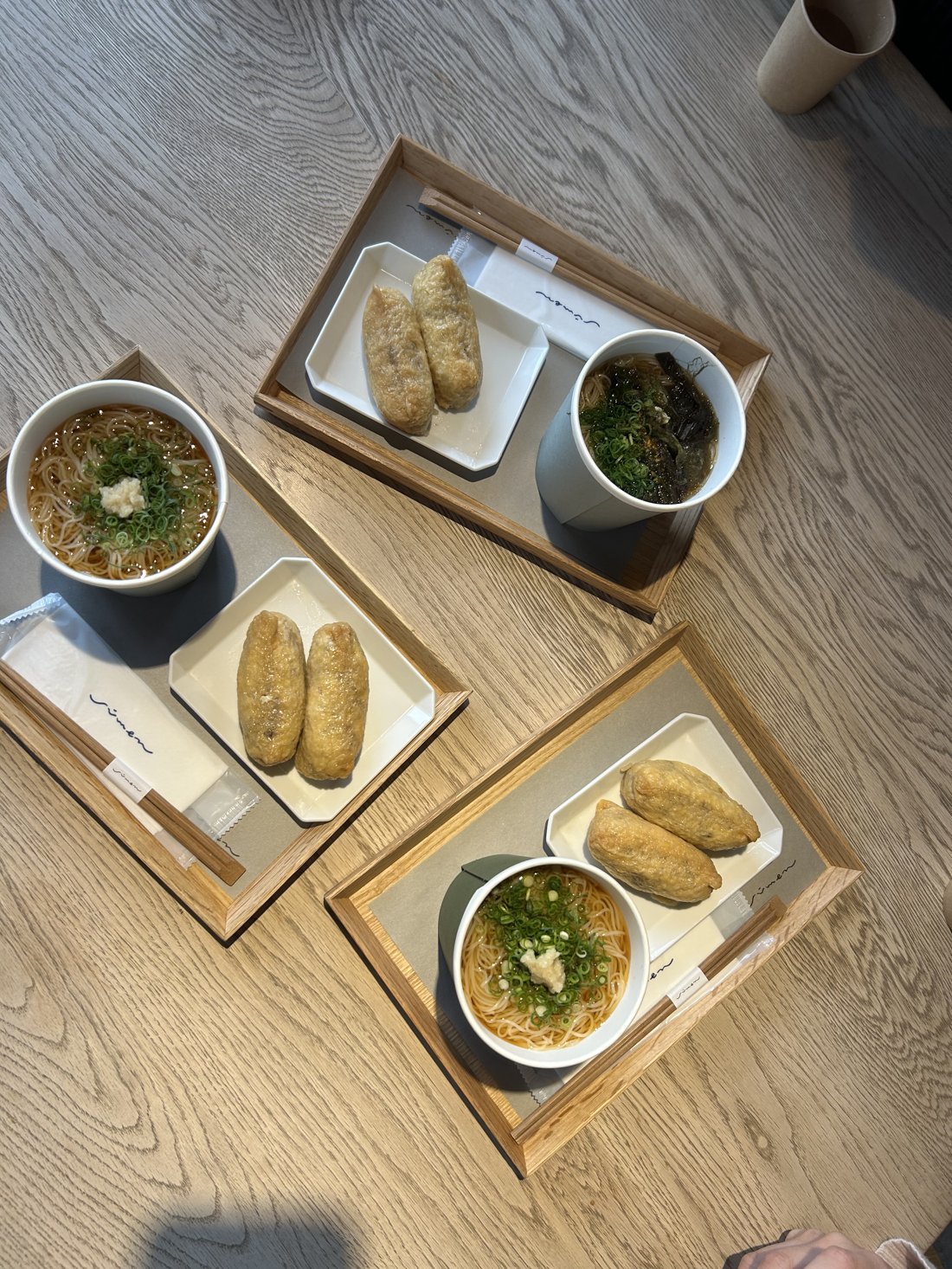
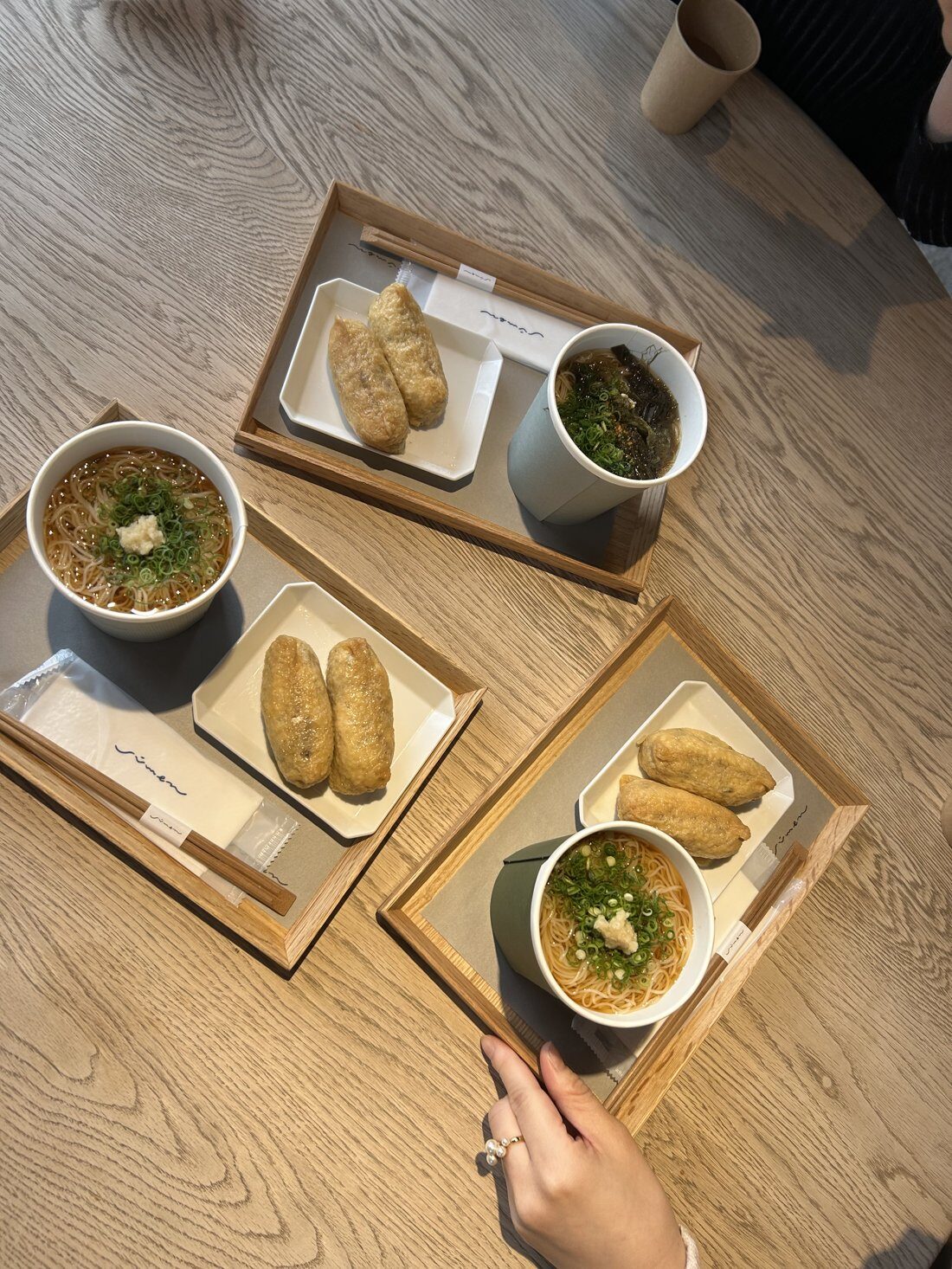
Say “sushi” and most people think of fish. The exception in Japan is inarizushi: vinegared rice inside a pouch of fried tofu, simmered in sweet soy broth until it is soft, golden and a little juicy. It is picnic food and festival food, and grandmothers pack it in lacquer boxes. My husband and I had it for lunch recently (trays of plump little pouches with warm sōmen noodles on the side), and I thought again how strange it is that most visitors never order it. It needs no raw fish, no wasabi and very little money.
Why a fox is on the label
 TSŪ INFORMATION
what Japanese connoisseurs know
The name comes straight from religion: Inari is the deity of harvests and prosperity, worshipped at tens of thousands of shrines across Japan: the ones guarded by stone foxes, including Kyoto’s famous ten-thousand-gate Fushimi Inari. Foxes are the deity’s messengers, and folk tradition says their favorite offering is fried tofu. So rice in a tofu pouch became “Inari sushi.” The 通 detail: shapes differ by region, with bales in the east and triangles in parts of the west, the triangle said to look like a fox’s ear. Next time you pass a fox shrine, look for the tofu on the altar.
How to eat it well
- Where: supermarket packs are fine and cheap; wagashi shops and specialty counters make plumper, juicier ones; shrine-town shops make the pilgrimage version.
- My take: I love the temperature and the texture: room-temperature rice, a cool sweet pouch, and a little broth coming out when you bite. It is a sushi that is even better at a picnic.
- The classic partner: sōmen. Thin white wheat noodles, served warm in a light broth (nyūmen) or cold in summer. Our set came with the inari, and the pairing makes sense: the light noodles clear your mouth between the sweet pouches. If a shop has the combination set, get it.
- Vegetarians: the pouch itself is tofu, but simmering broth sometimes uses fish dashi, so strict vegetarians should ask (phrase below).
- Hands are fine. Like onigiri, inarizushi is legal hand food.
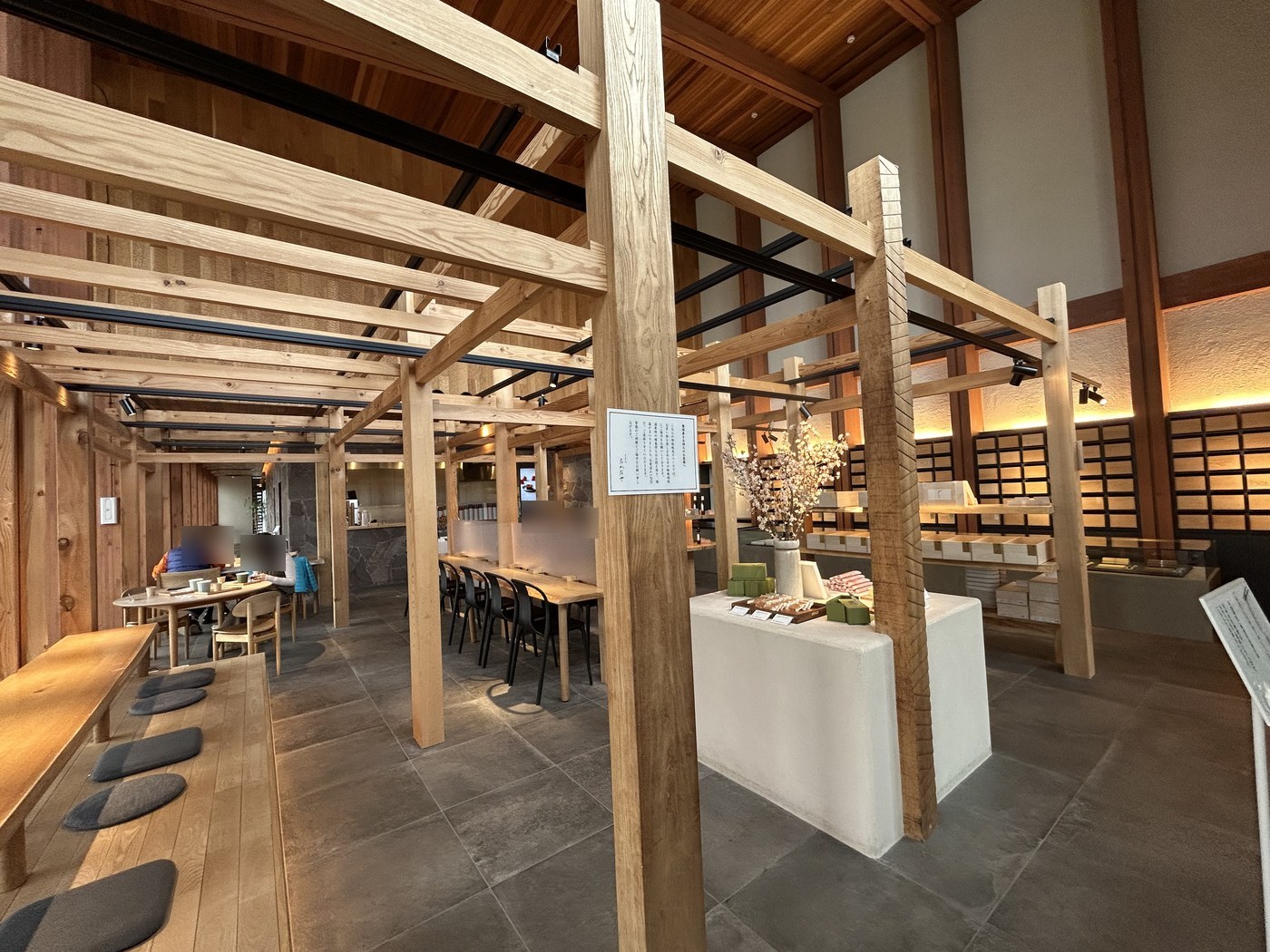
Map: Tenobe Takadaya on Google Maps
Show this to the staff
Is fish stock used? (出汁に魚は使っていますか?)
To go, please (持ち帰りでお願いします)
One set meal, please (定食を1つお願いします)
FAQ
Is it sweet? That sounds strange for sushi.
Gently sweet-savory, a bit like a milder teriyaki. It tastes like comfort food, not dessert, and the vinegared rice balances it.
Is it always vegetarian?
Often, but not always. The simmering broth may contain fish dashi, and some regional versions mix ingredients into the rice. The question phrase above sorts it out in five seconds.
Why have I never seen it on sushi-restaurant menus abroad?
Not glamorous, cheap, and no fish to show off. That is why eating it in Japan feels like something locals know about and visitors don’t.
• Inarizushi = sushi rice in a sweet simmered tofu pouch · no fish
• Named for the fox-guarded deity Inari; fried tofu is said to be the foxes’ favorite food
• A few hundred yen · sold everywhere · best slightly cool, eaten by hand
• Best set: inari + warm sōmen noodles, the traditional pairing
• Vegetarian-friendly; ask about dashi if strict (phrase above)
• From our own lunch trays · nobody paid us anything
More from us: for the fish-forward side of sushi, our kaiten sushi guide; for the other great hand food, our onigiri guide. Planning the rest? The Perfect Japan Guide.