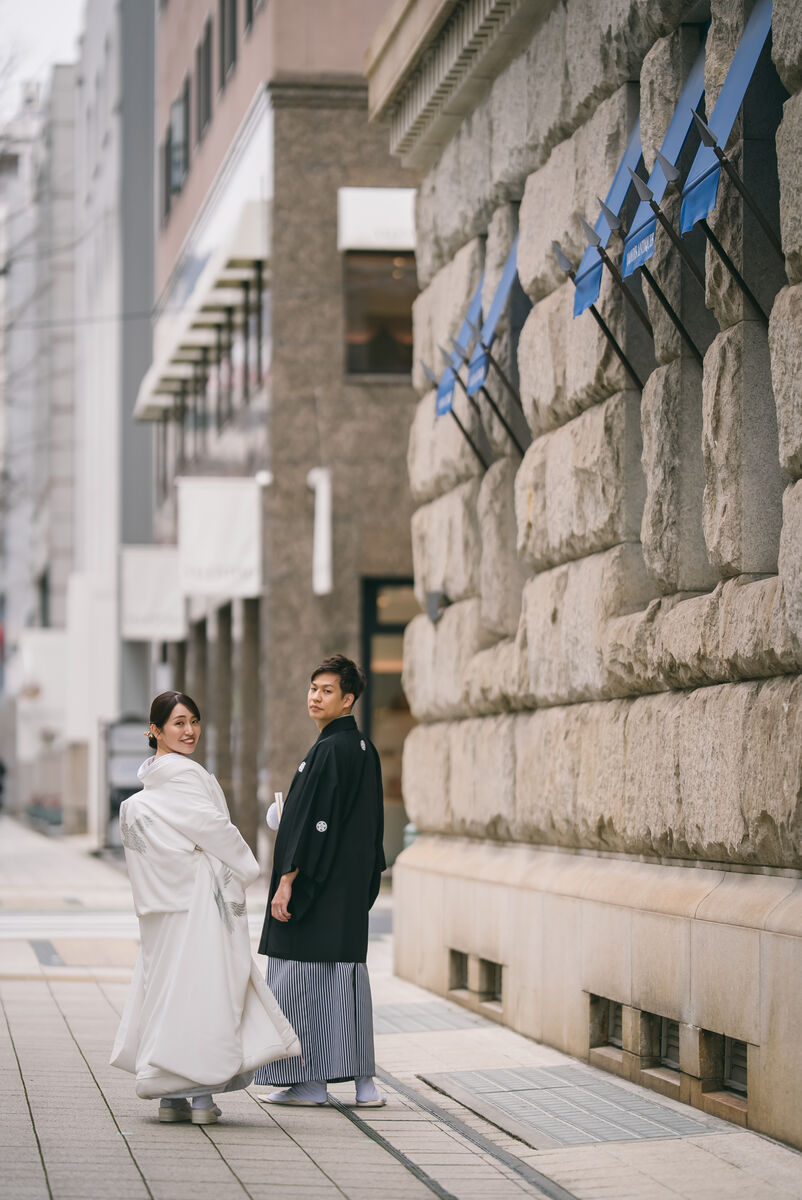
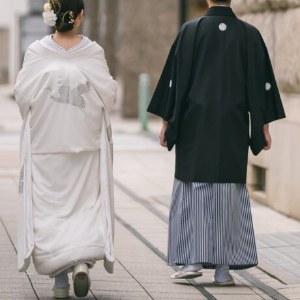
Invited to a Japanese wedding? Congratulations. Japanese weddings follow a detailed etiquette that nobody writes down, and guests are expected to know it. Nobody will scold you as a foreigner for getting it wrong, but people do appreciate it when you get it right, and it is not hard to learn. This is our full guide, from a couple who has been on both sides of it.
Goshūgi: the gift is cash, and there are rules
Japanese wedding guests give cash, called goshūgi (ご祝儀), in a special decorated envelope. This is the part to get right:
- How much: ¥30,000 is the standard for friends and colleagues. Close relatives give ¥50,000–100,000. A couple attending together typically gives ¥50,000 or ¥70,000.
- Odd numbers only. ¥20,000 or ¥40,000 are avoided, because even numbers “split in two,” an unlucky image for a marriage. (Exception: some younger guests give ¥20,000 as two ¥10,000 bills plus two ¥5,000 bills, three bills total. The bill count matters more than the sum.)
- New bills only. Crisp, unused banknotes from the bank. Used bills imply you didn’t prepare. Banks exchange them; do this a few days ahead.
- The envelope is a shūgi-bukuro, white with gold-and-silver or red-and-white cords. You can buy one at any convenience store, stationery shop or department store. Choose the knot style called musubi-kiri (a tight flat knot that can’t be retied, meaning “once only”), not the reusable bow. Write your name on the front in dark ink.
- Carry it in a fukusa (a small cloth wrapper) and hand it over with both hands at the reception desk, saying “Honjitsu wa omedetō gozaimasu” (congratulations on this wonderful day).
What to wear
Men: black or dark suit, white shirt, white/silver or subdued tie (never black, which is for funerals), black shoes. Women: a knee-length or longer dress, shoulders covered during the ceremony (a shawl or jacket works), closed-toe shoes. The one iron rule for everyone: never wear white. White is for the bride. Avoid all-black without accessories (it looks like funeral wear), animal prints and fur (imagery of killing), and anything flashy enough to compete with the couple.
How the day flows
- Ceremony (30–40 min): Shinto style at a shrine (usually close family only), Christian-style chapel, or non-religious. Guests mostly observe quietly.
- Reception / hirōen (2–2.5 hours): assigned seats, a full course meal, speeches, the cake cut, the couple’s outfit change (oironaoshi, often into kimono), candle or photo rounds to each table. Everything follows a printed schedule, to the minute.
- Gifts for you: you’ll go home with a hikidemono gift bag, often with a catalog you can order a present from. Yes, guests get gifts too.
- After-party / nijikai (optional): a casual second party with a separate, smaller fee (usually ¥5,000–8,000, paid at the door; regular bills are fine here).
Small things that read as very polite
- RSVP cards: cross out the honorific 御 before 出席 (“attend”) and add a short congratulation line. If a Japanese friend can check your card, let them.
- Arrive 20–30 minutes early. Arriving late to a Japanese wedding really does disrupt things.
- During speeches, put chopsticks down. Photos are welcome except during moments the MC asks otherwise.
- Avoid “cutting” and “ending” words in any speech or card (cut, break, return, separate). They are taboo at weddings.
Cheat sheet
¥30,000 in new bills → musubi-kiri envelope → name on front → carry in fukusa → dark suit or modest dress, nothing white → arrive early → enjoy a very well-organized party → leave with a gift bag. That covers 95% of it.
Part of our Kimono & Japanese Weddings series. See also: our kimono pre-wedding photoshoot, with the exact bill.