This is the shop where I buy my kitchen, my stationery and half of what I give people, and where I would spend your souvenir money too.
Budget: almost everything is ¥110 · a full souvenir haul comes to ¥2,000–3,000
Where: around 4,400 branches in Japan · station buildings, malls, high streets
The catch: none. This is the easiest good shopping in the country
1. It is ¥110, not ¥100. The shelf price is before tax, and there are also ¥220, ¥330 and ¥550 lines
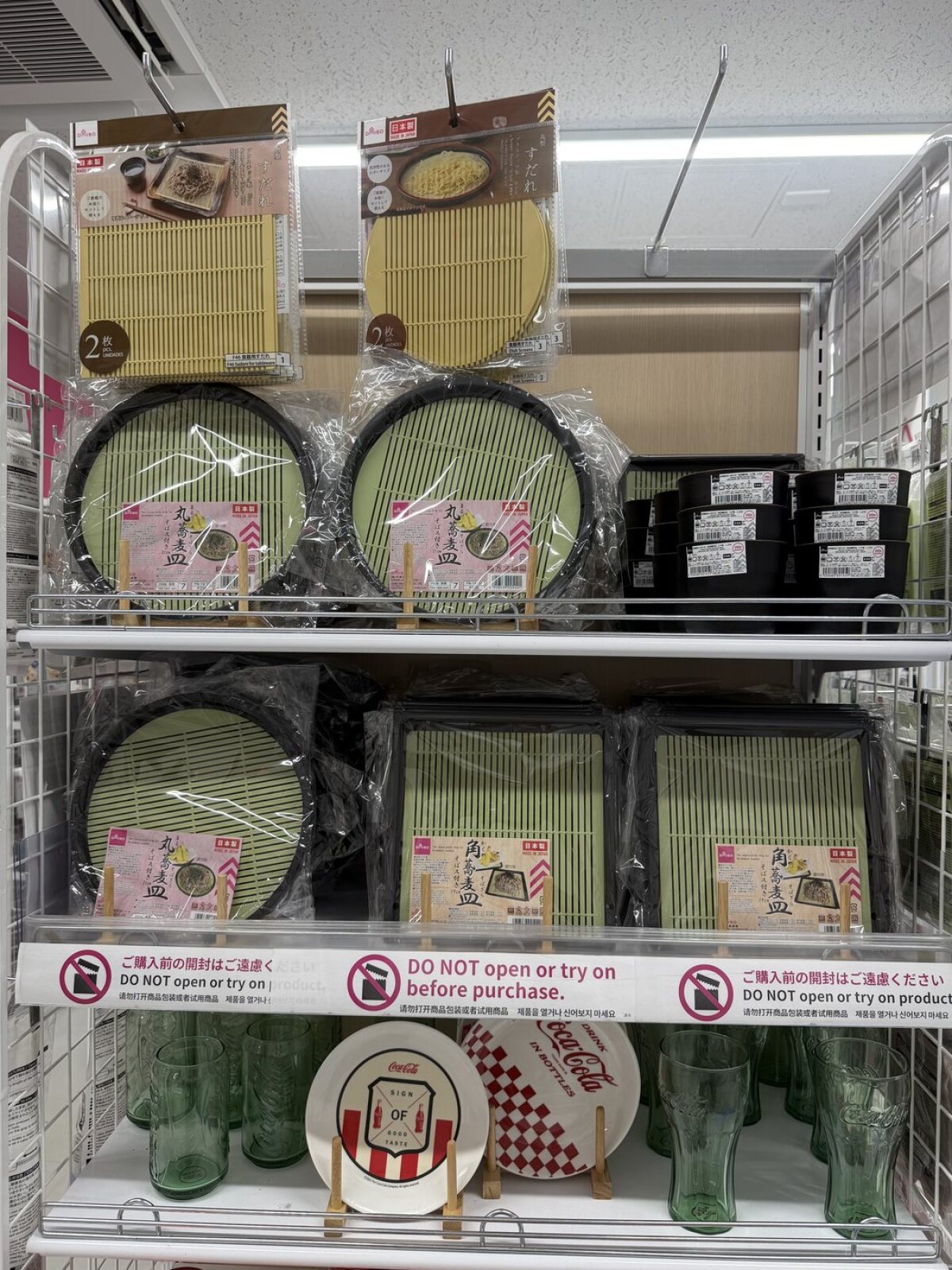
2. Buy the Japanese things: name stamps, uchiwa fans, bamboo soba plates, bento boxes, character laundry nets
3. Do not buy the skincare. A drugstore does that better for not much more
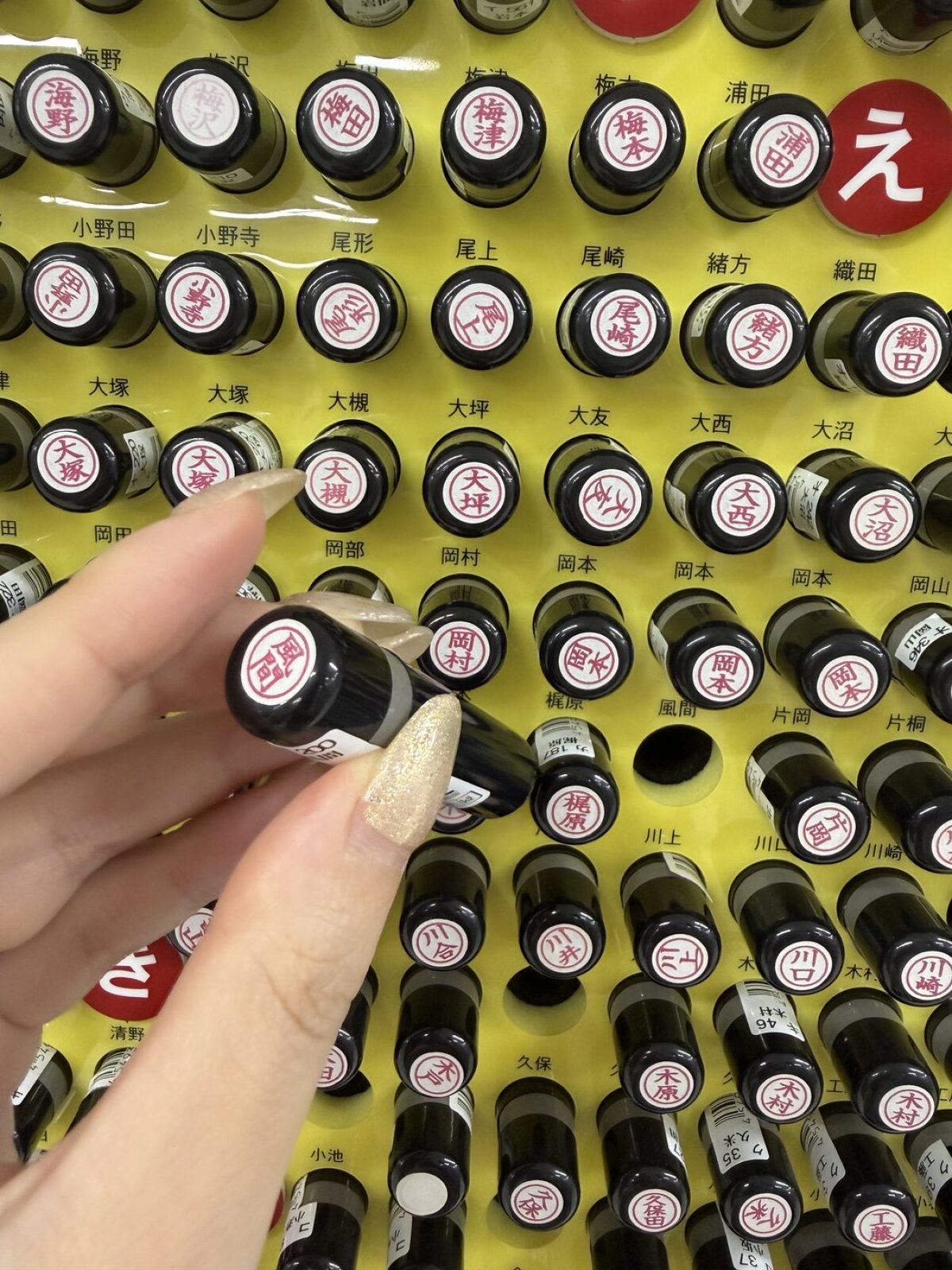
4. The name-stamp wall is the best ¥110 souvenir in Japan and almost no visitor finds it
5. Big branches do tax-free over ¥5,000 , but the queue rarely justifies it
For a visitor, the hundred-yen shop is the most useful building in Japan, and it is almost never on anyone’s list. Everything below came off the shelves of the four-floor DAISO in Osu, Nagoya, on an ordinary afternoon, at the prices printed on the tags.
First, the price is not ¥100
Japanese shelf tags show the pre-tax price in large type. A ¥100 item costs ¥110 at the till. This is how prices are printed here, and the same rule applies at Don Quijote and every supermarket.
- ¥110 : the great majority of the shop
- ¥220, ¥330, ¥550 : a growing part of the range. Anything with fabric, electronics or decent steel in it is priced here
- The tag colour tells you before the number does. Once you notice the higher-price tags are a different colour, you stop being surprised at the till
A four-floor hundred-yen shop, read from the floor guide
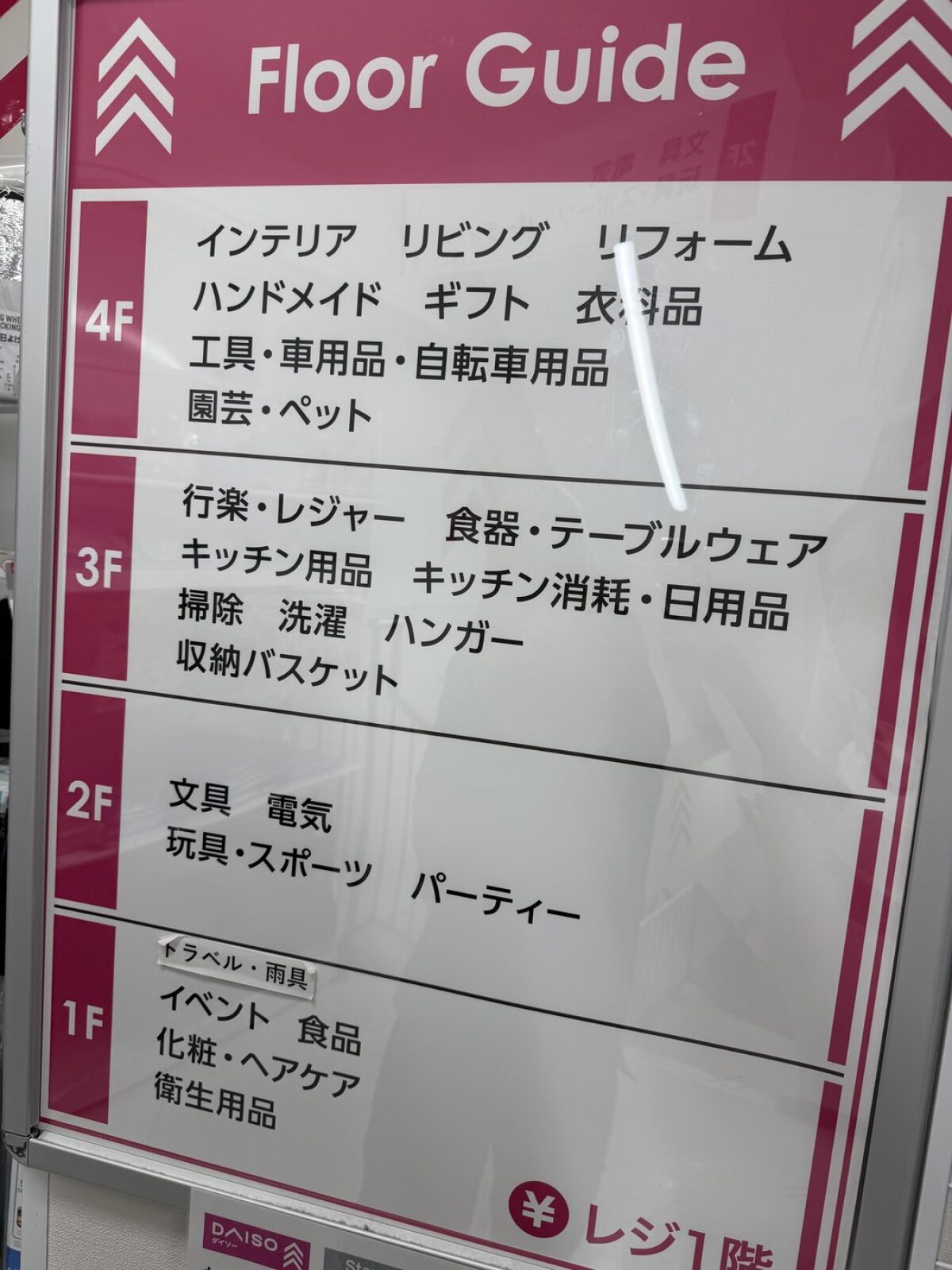
Big branches are laid out like department stores, only at ¥110. The Osu one looks like this, and most branches follow the same pattern:
- 1F: travel goods, rainwear, food, cosmetics, hair care, hygiene. The tills are here, so this is also where you queue
- 2F: stationery, electrical, toys, sport, party. The floor most visitors would actually enjoy
- 3F: tableware, kitchen, cleaning, laundry, storage. This is the souvenir floor, and almost nobody realises it
- 4F: interior, handmade, gift wrap, clothing, tools, garden, pet
If you have twenty minutes, go to 3F and 2F and skip the rest.
12 things worth buying at DAISO
Japanese things that cost ¥110 and weigh almost nothing. That combination does not exist at the airport.
- Hanko name stamp, ¥110. A personal seal carved with a Japanese surname. It is the most Japanese thing in the shop, and almost no visitor finds the wall
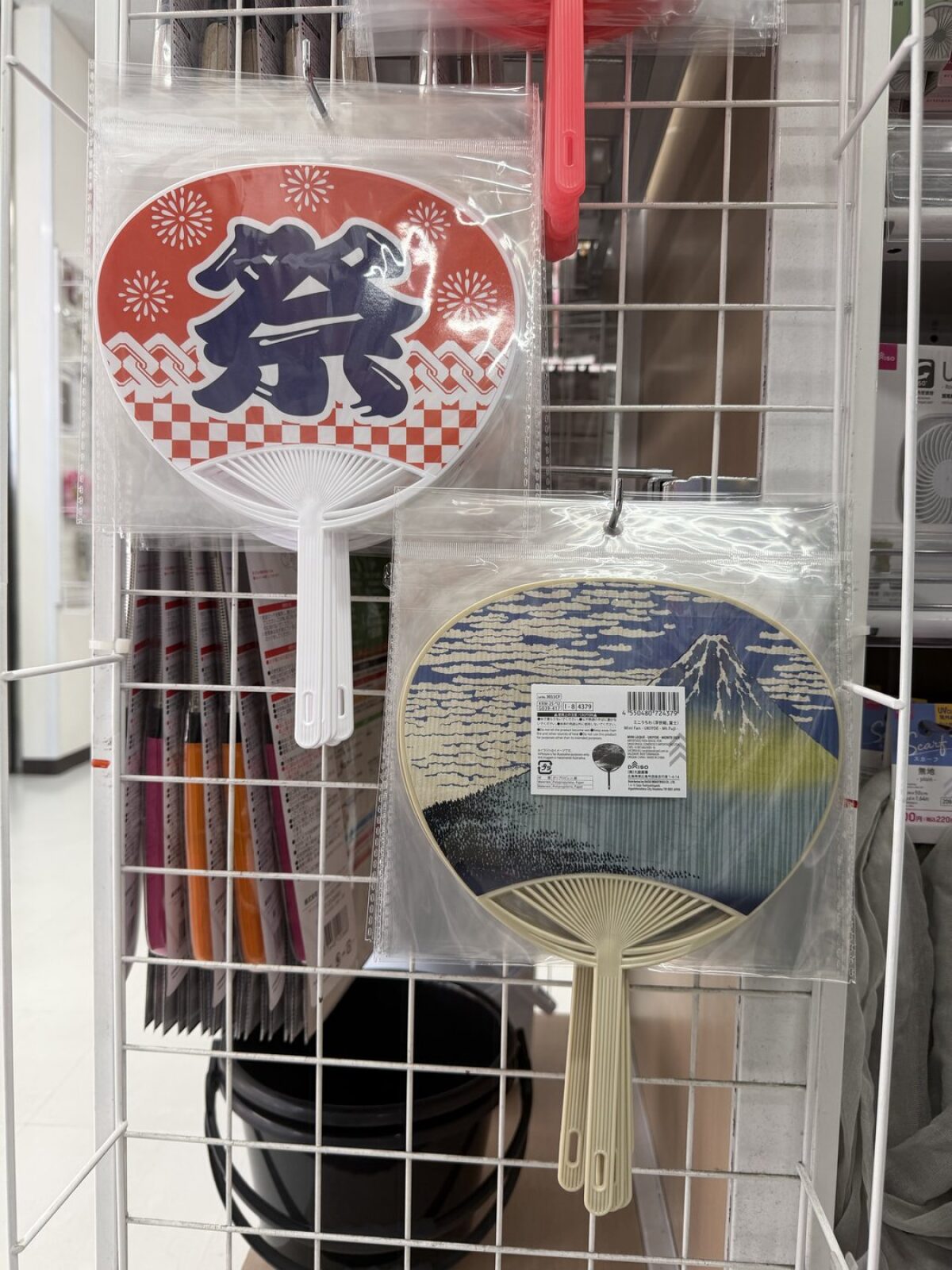
- Uchiwa fan, ¥110. The flat paddle kind, festival red or a Hokusai wave. Rigid, so it survives a suitcase better than a folding sensu
- Bamboo soba plate, ¥110. The slatted square tray cold noodles are served on. Nothing else at this price looks so Japanese
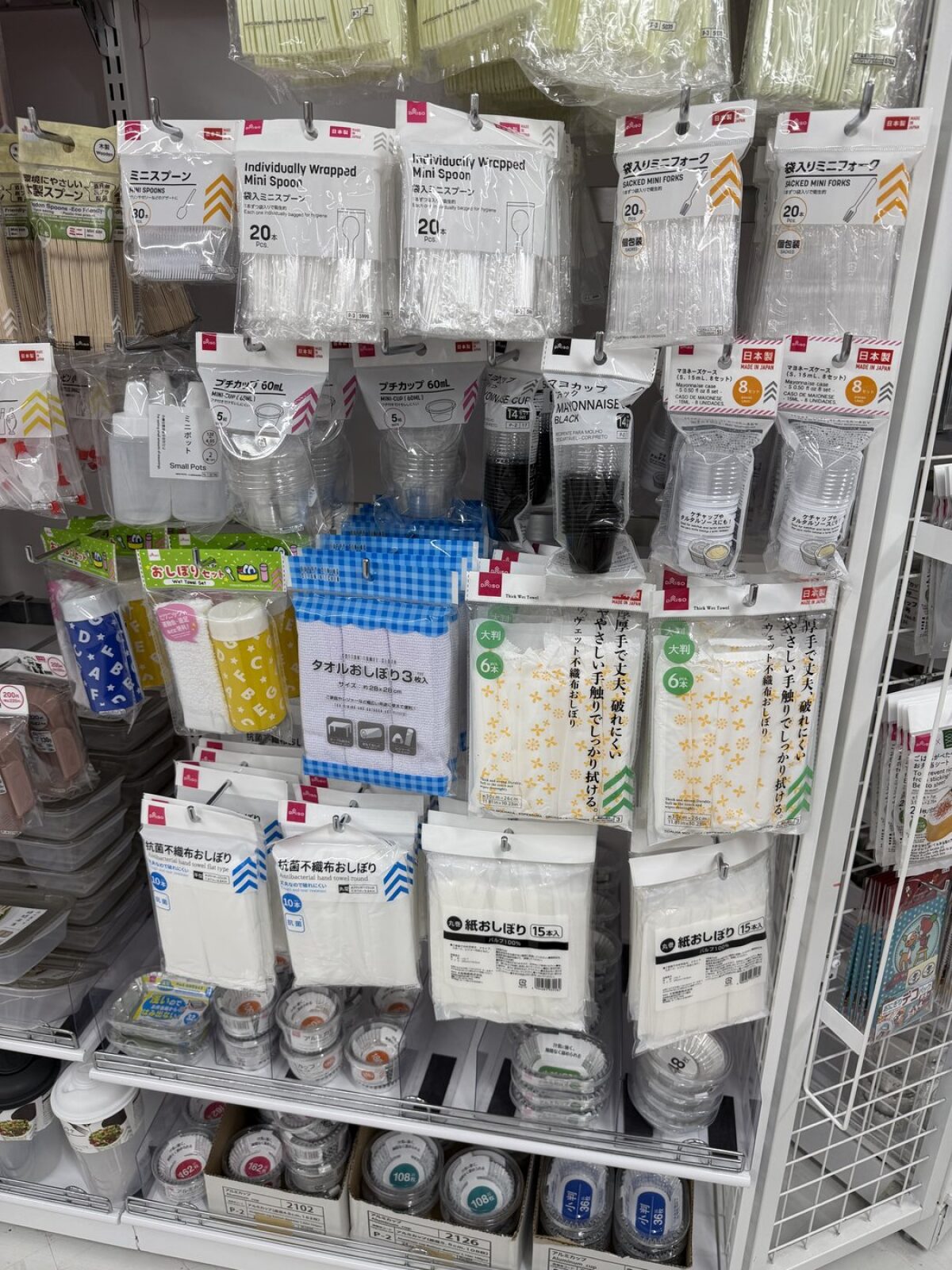
- Paper oshibori, 15 in a pack, ¥110. The damp hand towels restaurants give you. People forget to buy them, then use them all the time
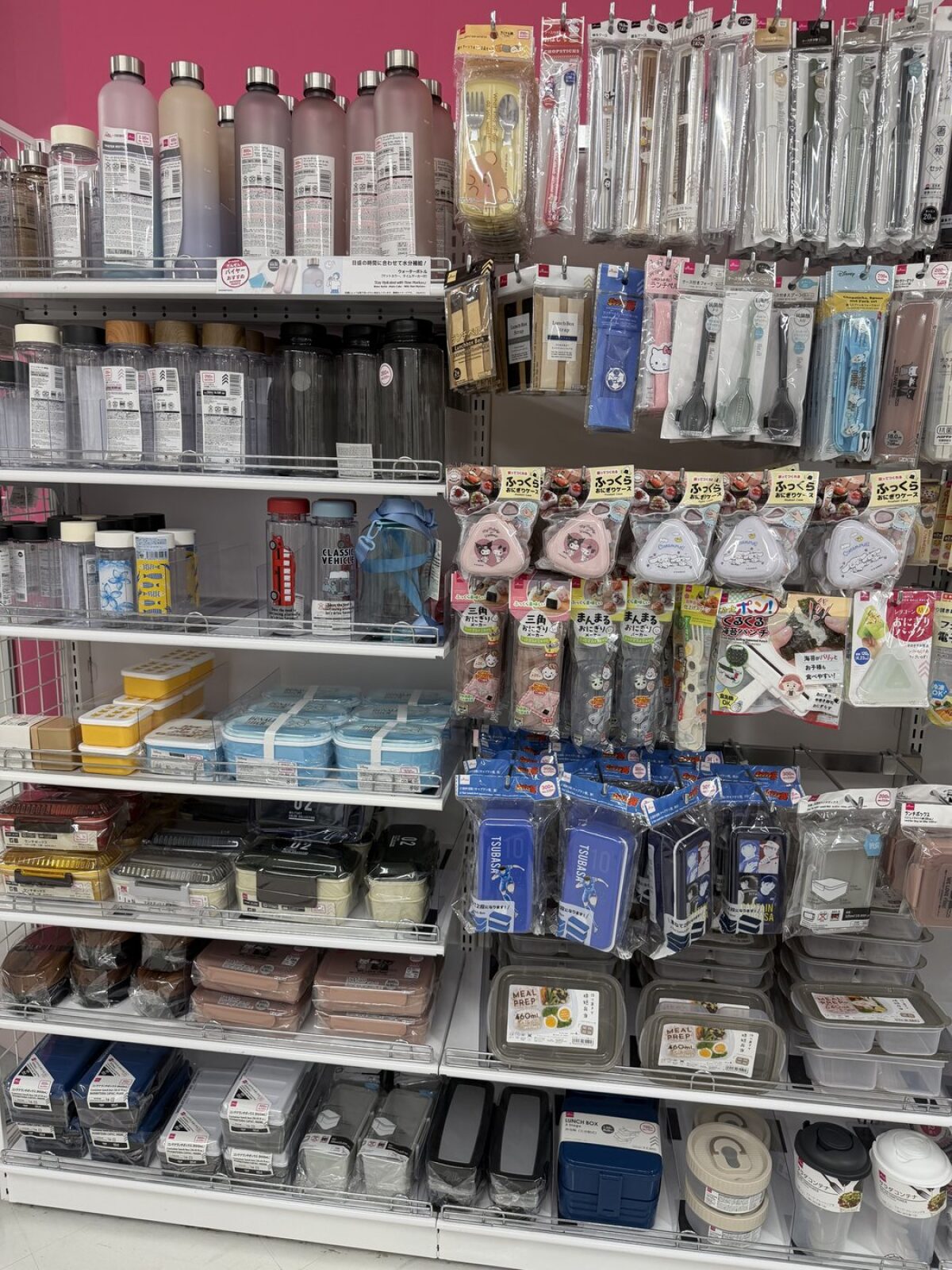
- Bento box, ¥110. With a chopstick set and onigiri wrappers, an entire lunch kit for under ¥600
- Chopstick set, ¥110. Pairs in a case, the kind Japanese people carry to work
- Onigiri wrappers, ¥110. The clever film that keeps nori dry until you open it
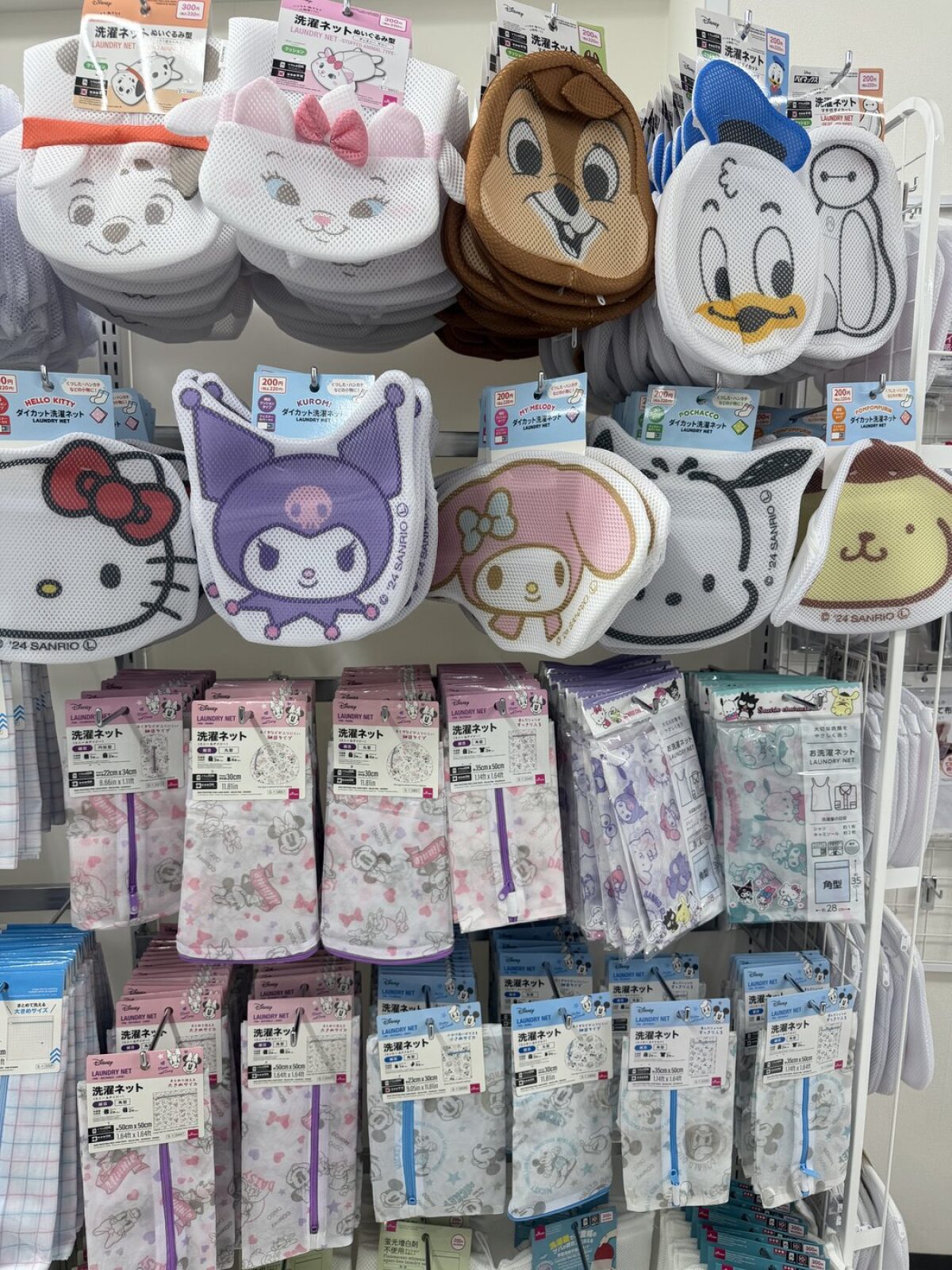
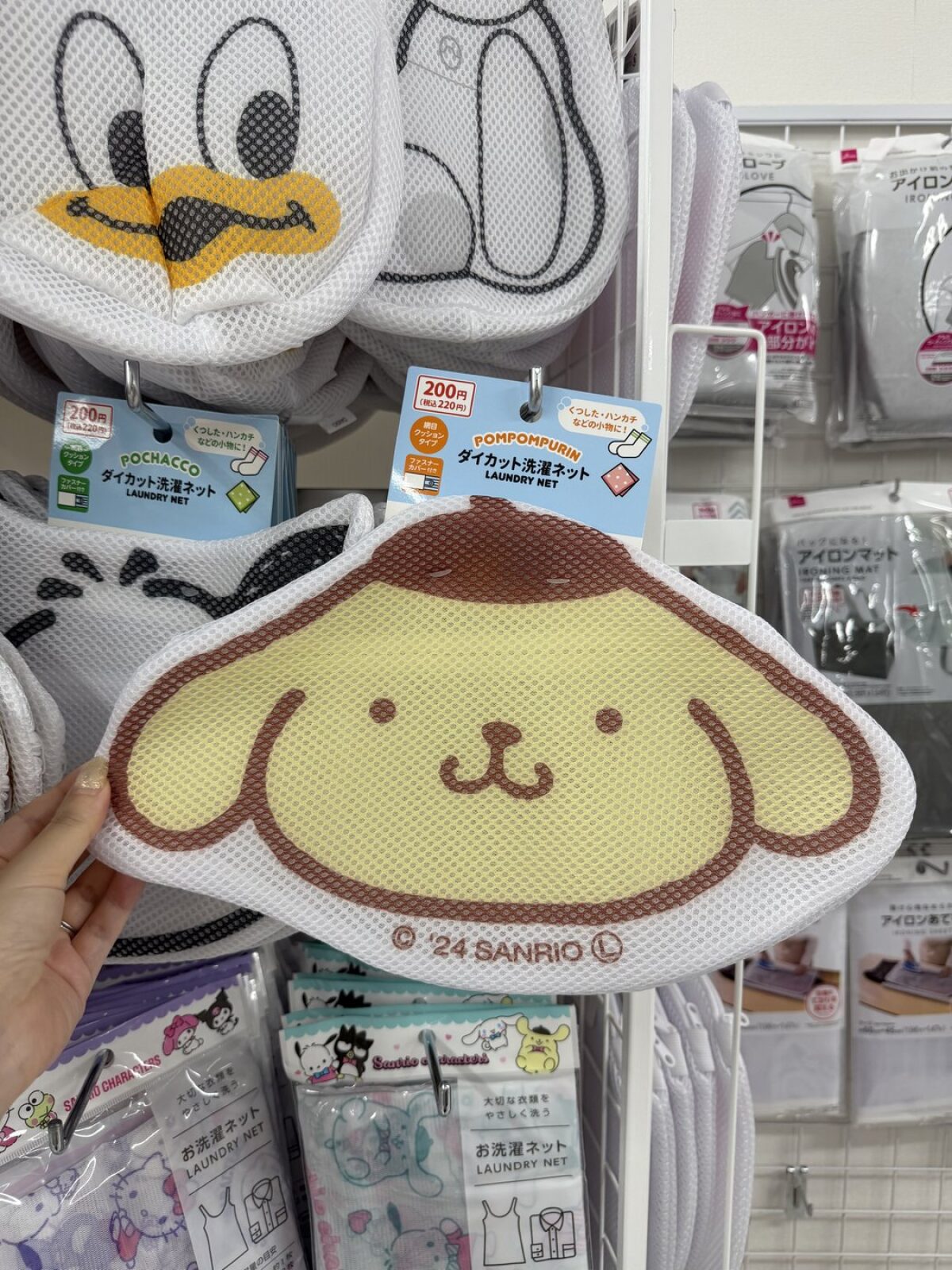
- Character laundry net, ¥220. Die-cut into Pompompurin, Kuromi or Donald Duck. Silly, but useful, and it packs flat
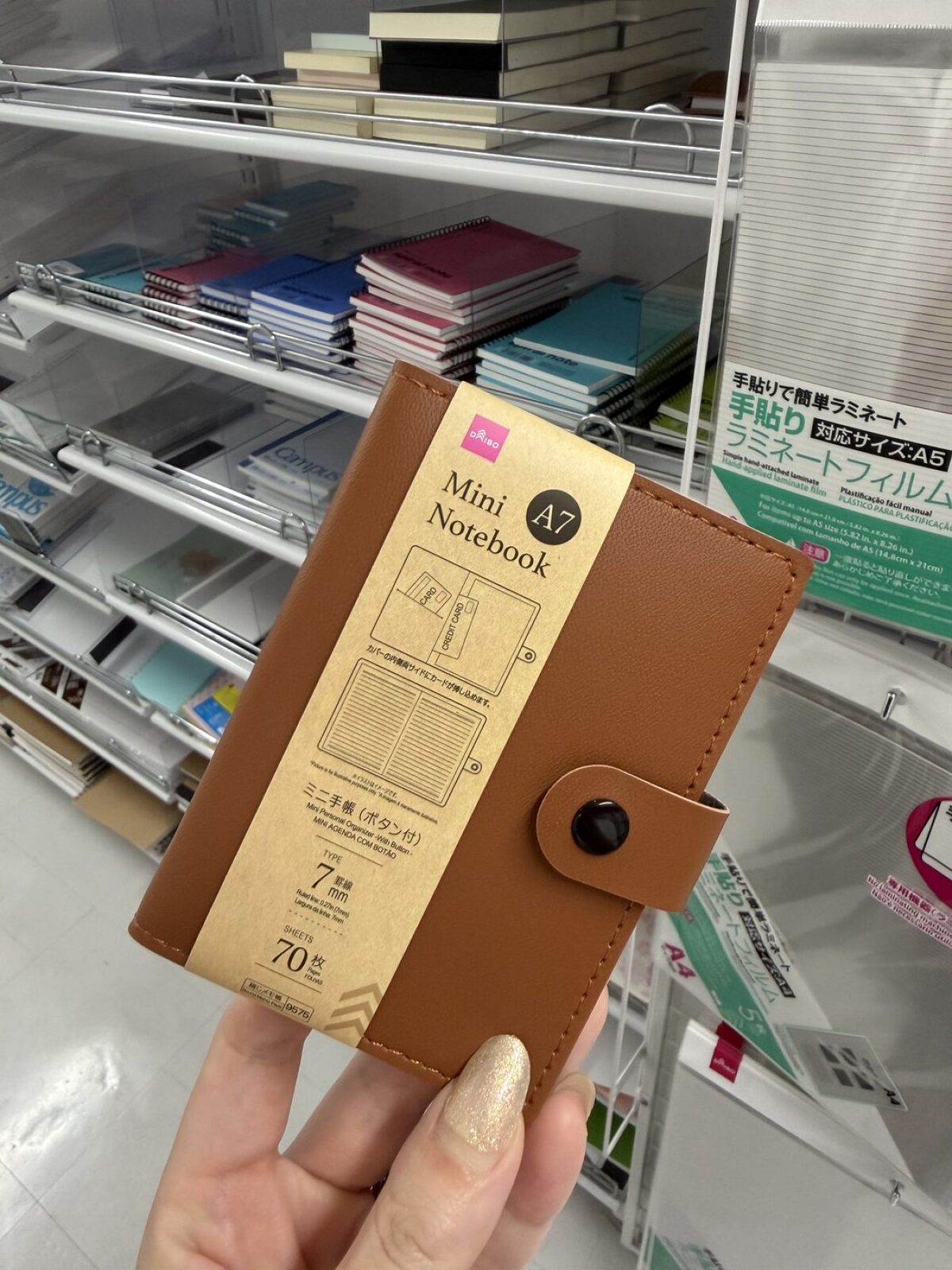
- A7 pocket notebook, ¥110. Leather-look cover, press stud, 70 pages. A design shop would charge five times this
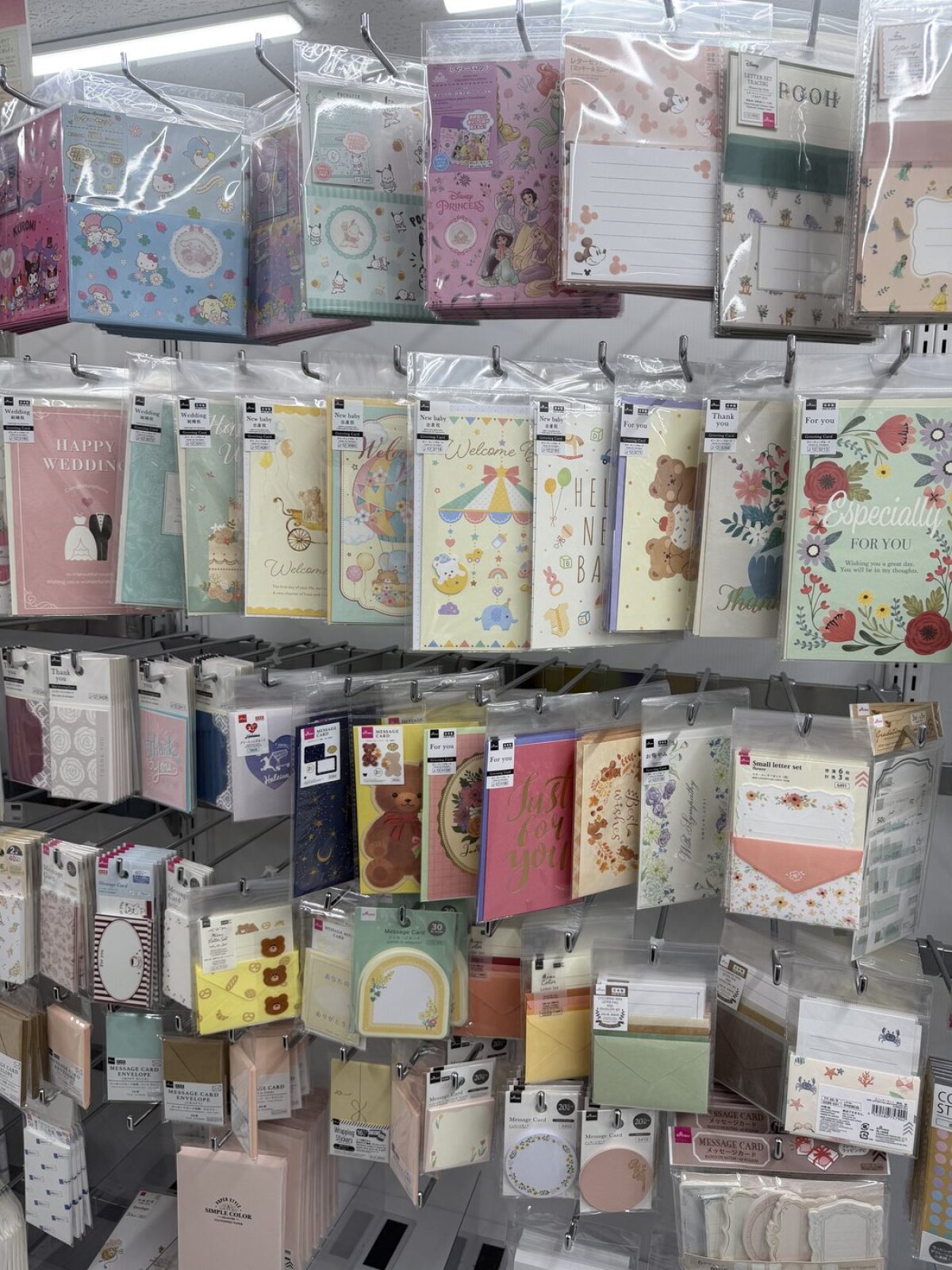
- Letter set or greeting card, ¥110. An entire wall of them, including Sanrio and Disney licences and the tasteful floral ones Japanese people actually send
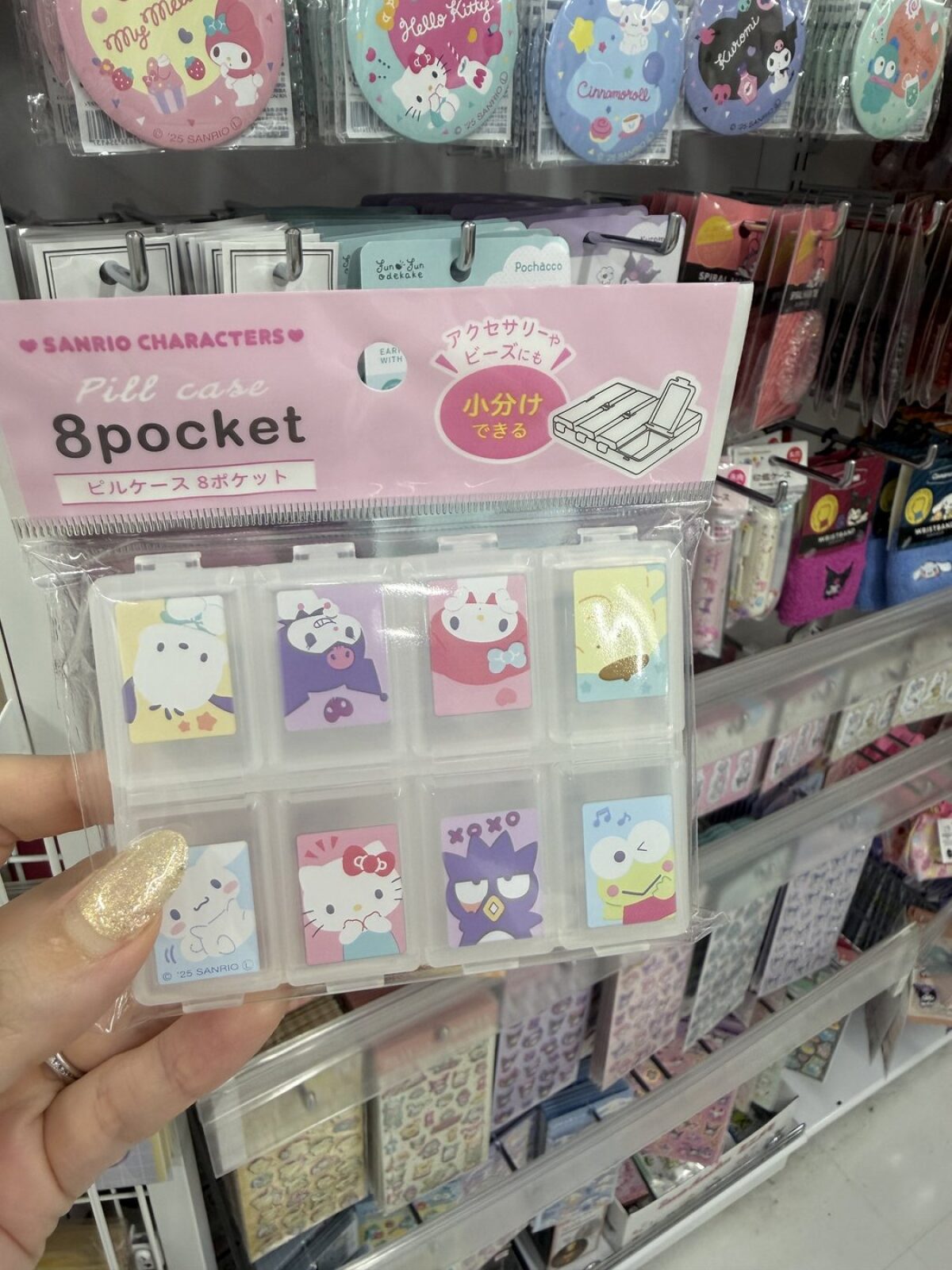
- Sanrio eight-compartment pill case, ¥110. Useful for pills, better for earrings
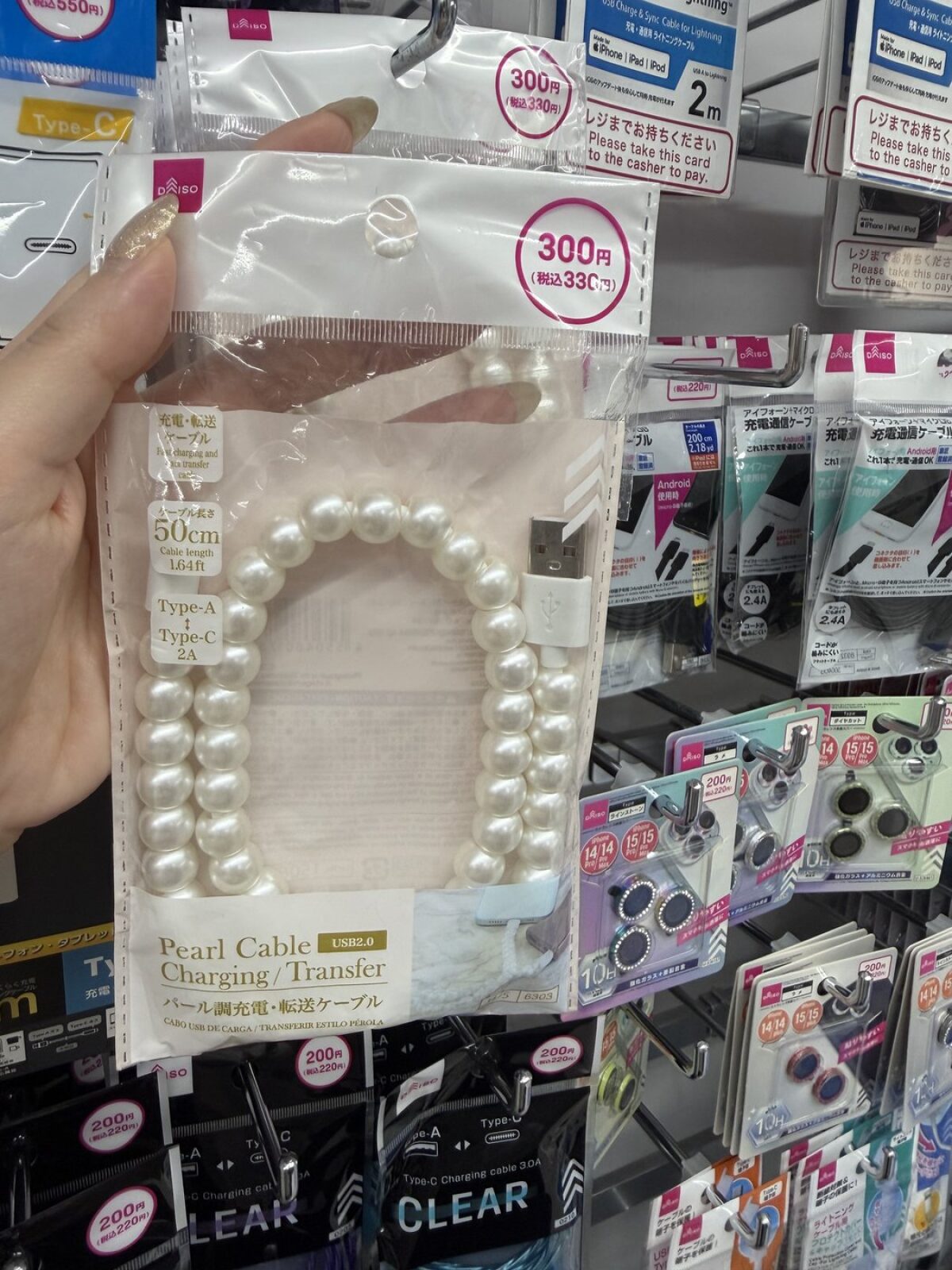
- Pearl charging cable, ¥330. USB-A to USB-C, 50cm, and unmistakably a bracelet
 TSŪ INFORMATION
what Japanese connoisseurs know
Find the はんこ (hanko) wall: a yellow board of small black cylinders, each one a personal seal carved with a Japanese surname, ¥110 each. Japan runs on these instead of signatures: parcels, bank forms, office paperwork, all stamped rather than signed. The board is arranged in Japanese alphabetical order, and the surnames are the common ones: 岡本, 大塚, 川崎, 小池. Two ways to use it. If your own name has a Japanese reading, look for it. If it does not, pick the one whose characters you like: 川 is river, 山 is mountain, 田 is rice field. It is ¥110 and fits in a coat pocket. I have never once seen a visitor standing in front of it.
The stationery floor, which is a real stationery shop
Japan takes paper seriously at every price, and on this floor you can see it for ¥110.
- A7 pocket notebooks with a leather-look cover and a press stud, 70 pages. A design shop would charge five times this
- Letter sets, envelopes and greeting cards: a whole wall of them, including Sanrio and Disney licences and the tasteful floral ones Japanese people actually send
- A pearl charging cable, ¥330 . USB-A to USB-C, 50cm, with fake pearls strung along the whole cable. It charges a phone, and it looks exactly like a bracelet. I have never seen one anywhere else
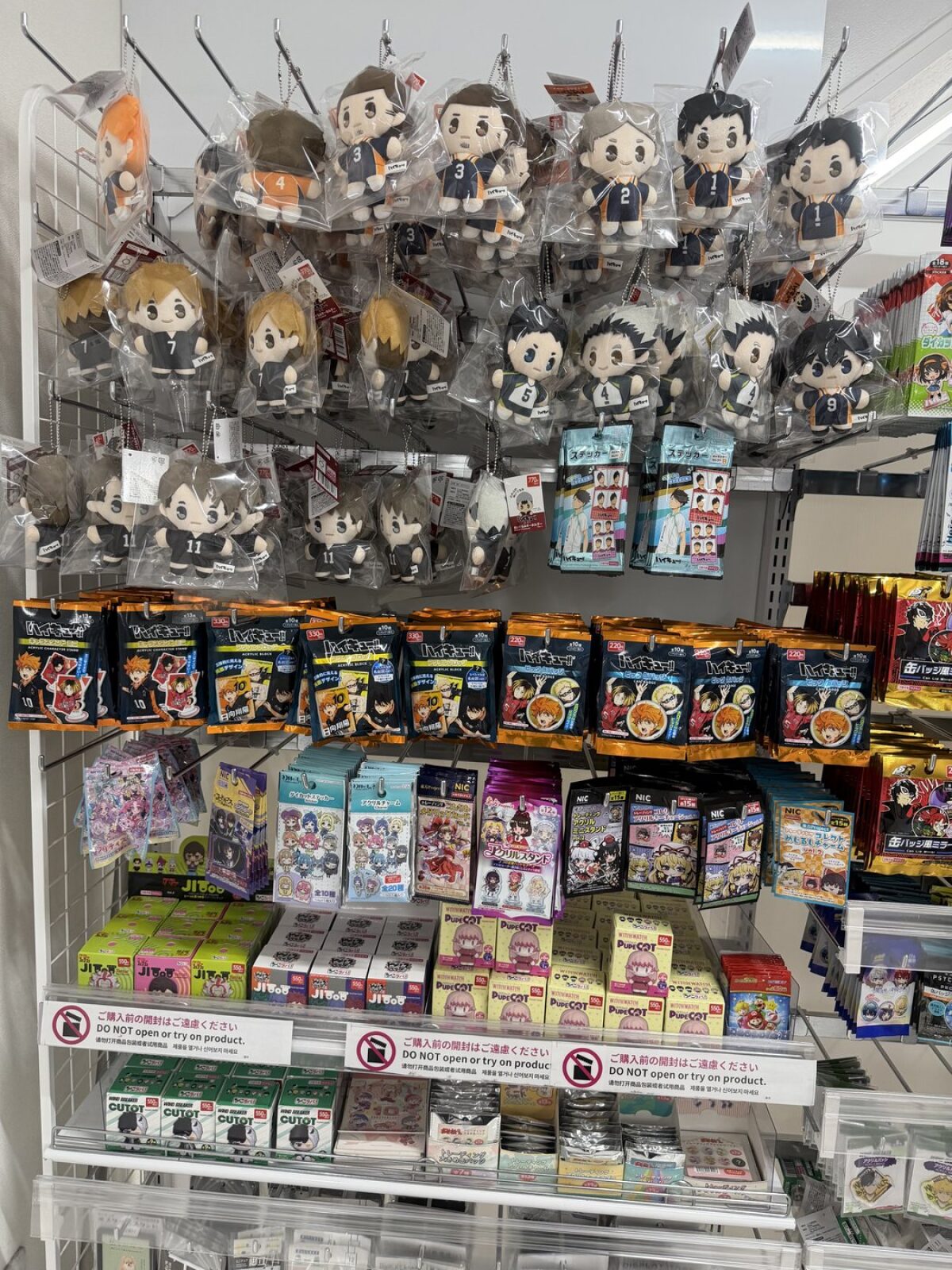
- Anime and idol goods, including blind-box acrylic stands and plush keychains, for people doing oshi-katsu, which means supporting your favourite character. If your teenager has a favourite series, start here rather than at Akihabara prices
Two things not to buy here
- Skincare and cosmetics. They are fine, but you can do better. A drugstore sells the products people actually rate, for a few hundred yen more: the drugstore list we actually buy from
- Anything electrical beyond a cable. Japanese mains is 100V and the plug bodies are not built for a long flight and a foreign socket. Buy the cable, skip the appliance
Practical notes
- Bags cost extra, a few yen. Bring one, or buy a folding tote on 4F and use it for the rest of the trip
- Do not open the packaging. The signs say it in English on every shelf, and staff will politely stop you
- Cards work in almost every branch now, and small purchases are fine either way: how cash and cards work here
- Tax-free exists but rarely pays. You need ¥5,000 before tax at a participating branch, your physical passport, and a separate queue. That is about 45 items. Most people should just pay the tax. Two things if you do try: the rules change on 1 November 2026. Japan moves to a refund system where you pay the tax in the shop and claim it back at the airport on departure, so anything you read from before that date describes the old method. And not every branch does it; the small station-building shops usually do not.
DAISO, Seria, Can Do: which one
Three chains, one price point, different personalities. DAISO is the biggest and the most useful for a visitor: widest range, most branches, the multi-floor stores. Seria is the design-led one: plainer, prettier, better if you want something that does not shout. Can Do sits between them and is strongest on character goods. If you only enter one, make it a large DAISO.
Is it actually cheaper than the DAISO at home?
Yes, and by more than most people expect.
DAISO has around 4,400 branches in Japan and several thousand more overseas, but they are not the same shop. Abroad, the base price sits at roughly two or three times the Japanese one, and the range is built for that market: storage boxes and craft supplies, not soba plates and name stamps.
Carry home the things you can only buy here:
- Hanko name stamps. Japanese surnames carved in kanji. No overseas branch stocks these
- Bamboo soba trays and drainers. Sold abroad occasionally, at several times the price
- Uchiwa fans in Japanese prints. Airport versions of the same thing start at around ¥800
- Paper oshibori. Rarely stocked outside Japan at all
- Seasonal and licensed character goods tied to Japanese releases
So if you have a DAISO at home, come for the Japanese things and skip the storage boxes.
FAQ
Is the quality actually acceptable? For kitchen, storage, stationery and packaging, yes. This is where ordinary households shop. For anything with a motor or a blade, buy up.
Is there English? Signage, not staff. Everything is priced, packaged and pictured, so pointing works.
How much should I budget? ¥2,000–3,000 buys a good pile of souvenirs for a dozen people, and that is the main reason to come.
What is DAISO known for?
It is the largest of Japan’s hundred-yen chains, with around 4,400 branches in Japan, and most of the shop really is one price.
Is everything ¥100 at DAISO?
No. Most of it is, but there are ¥220, ¥330 and ¥550 lines, and anything with fabric, electronics or decent steel sits in those. You can tell by the tag colour before you read the number.
How do I tell the price of something at DAISO?
Read the shelf tag, then add ten per cent. Japanese tags show the pre-tax price in large type, so ¥100 on the shelf is ¥110 at the till. Same at Don Quijote and every supermarket.
What can I buy for ¥110 that I cannot get at home?
A name stamp carved with a Japanese surname, a bamboo tray cold soba is served on, a pack of fifteen paper hand towels, a paddle fan printed with a Hokusai wave. None of these exist at an overseas DAISO.
Is DAISO tax-free?
At the larger branches, over ¥5,000 before tax, with your passport, in a separate queue. About 45 items. We think most people should just pay the tax.
Where can I buy the cheapest souvenirs in Japan?
Here. A hundred-yen shop is cheaper than the airport, the station kiosk or any souvenir shop in the country, and you get the things Japanese households actually use.
How much should I spend?
¥2,000 to ¥3,000 fills a bag with presents for a dozen people. Beyond that you are buying weight.
Which floor should I go to if I only have twenty minutes?
3F for tableware, then 2F for stationery. Most of the good souvenirs are on the tableware floor, and almost nobody realises it.
• ¥100 on the tag means ¥110 at the till · ¥220 / ¥330 / ¥550 lines also exist
• Go to 3F tableware and 2F stationery if you are short of time
• Best buys: name stamp, uchiwa, bamboo soba plate, bento set, character laundry net, paper oshibori
• Skip the skincare · a drugstore does it properly
• From our own local branch in Osu, Nagoya · nobody paid us anything
Two minutes from this branch: Don Quijote, explained. The other cheap shop worth your time is the convenience store snack aisle. If you are still planning, start at the full Japan trip checklist.