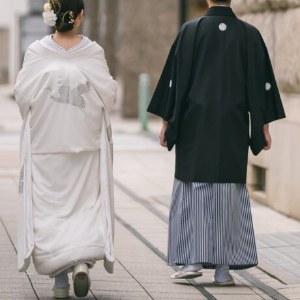
This is my home turf, and I have been saving it for you.
Budget: free to walk · shopping damage is up to you
Where: Osu, Nagoya, between Osu Kannon and Kamimaezu stations, 10 minutes from Nagoya Station by subway
Difficulty: zero. It is a covered arcade, so rain is not a problem
1. Osu is Nagoya’s great shopping district: roughly 1,200 shops packed into covered arcades around two old temples
2. It is the rare place where a 480-year-old temple, a maid café, vintage clothes, world-champion pizza and a horror house are on the same block
3. Locals call it Nagoya’s Akihabara, but it is older, cheaper and less polished, and I like it that way
4. Tokyo and Kyoto do not have this exact mix. This is the one neighborhood I tell every visitor not to skip
I grew up thinking every city had an Osu, and I was wrong. My husband and I walked it again this week: pudding first, then a four-floor ¥110 shop, a wooden bento-box shop selling craftwork, a horror attraction on a temple block that we photographed and did not dare enter, and Don Quijote to finish. All of that was one afternoon in one neighborhood, under a roof. This article is the map of that walk. The deep-dives (DAISO, Don Quijote, the maid café we have still not been brave enough to walk into, and our beloved ¥980 world-champion pizza) get their own posts.
Two temples hold the whole thing together
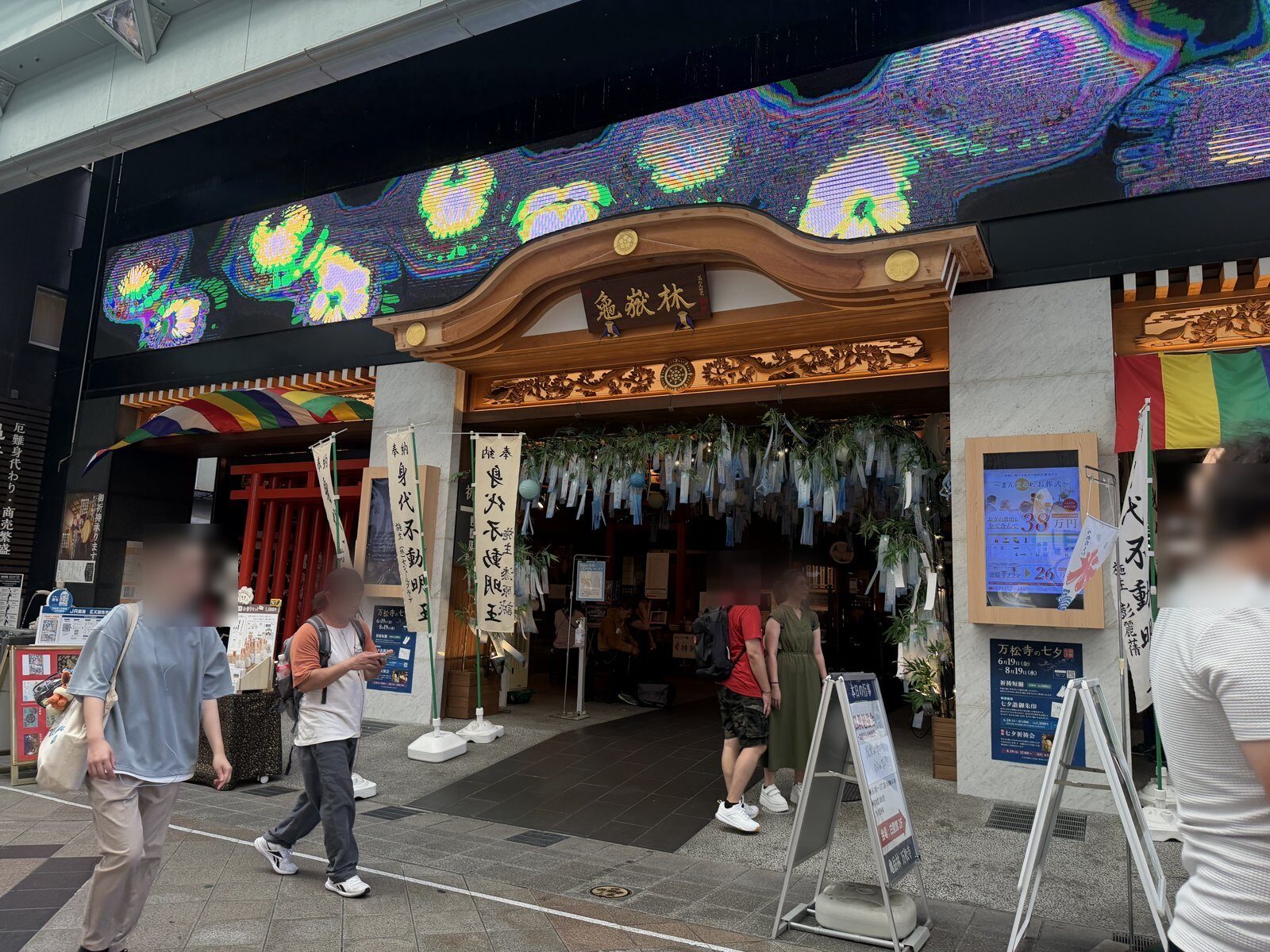
Osu Kannon, the big red temple at the west end, is why the neighborhood exists. The shopping streets grew up at its gates, the way markets have gathered at temple gates in Japan for centuries. Mid-arcade you hit Banshoji, founded in 1540 by Oda Nobuhide, the father of Nobunaga (the warlord every Japanese schoolchild knows). It is the Oda family temple, and today its front is a giant LED screen with a mechanical-doll show. Nobody in Osu finds this strange.
 TSŪ INFORMATION
what Japanese connoisseurs know
The story locals tell at Banshoji: at his father’s funeral here, the young Nobunaga (then dismissed as “the fool of Owari”) grabbed a handful of incense and hurled it at the altar. That fool went on to nearly unify Japan. The LED screen stands where that scene is said to have happened. Say “Owari no ōutsuke” (the great fool of Owari) near a history-minded local and watch them light up.
What one afternoon actually looks like
- Eat first. Osu has food of every kind: our ¥980 world-champion Neapolitan at Solo Pizza, karaage stands, taiwan mazesoba, bubble tea everywhere.
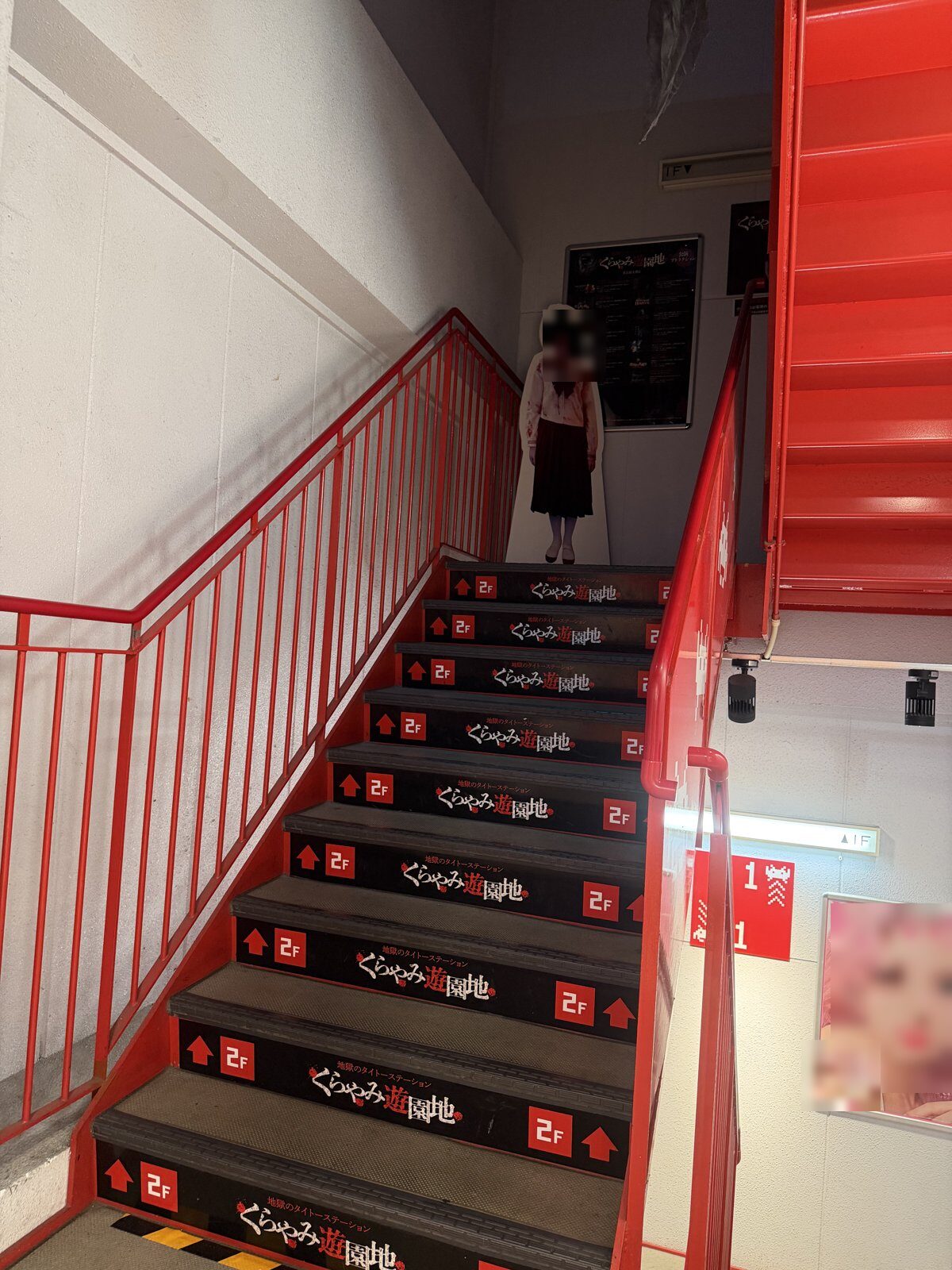
- Then get weird. A maid café: at-home cafe, the Akihabara chain, opened a Nagoya branch here in 2025, and we have the prices and rules written up. There are also cosplay dress shops, retro game stores, and a horror attraction called Kurayami Yuenchi (“the amusement park in the dark”), run by the arcade company Taito, one block from the temple.
- Then shop like a local. A four-floor DAISO, vintage clothes by the kilo, a craft shop selling bentwood magewappa lunch boxes. You get both ends of the price range in Osu.
- Finish at Don Quijote when your judgment is weakest, which is a warning as much as a recommendation.
Notes from a local
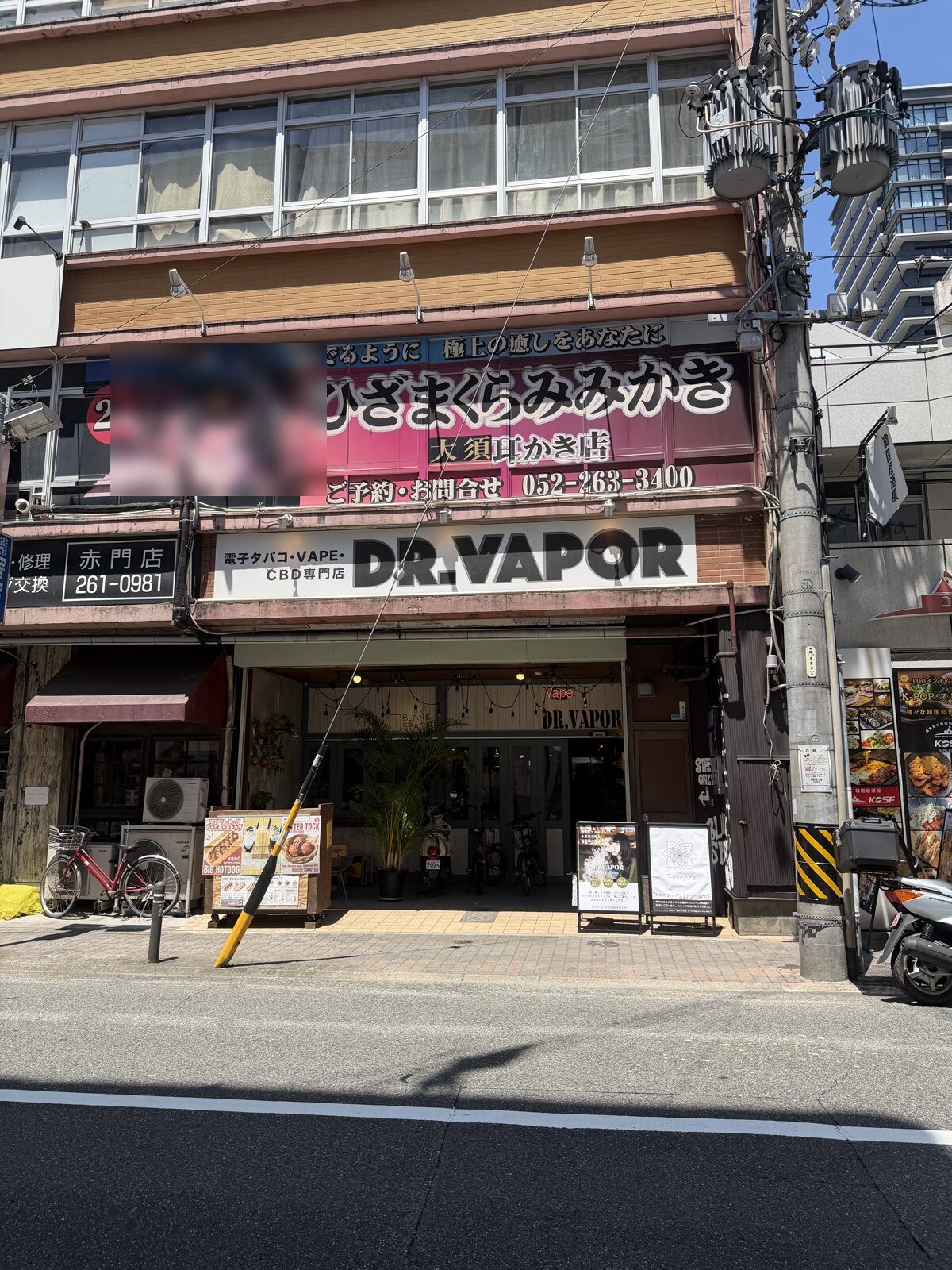
Weekends get very crowded, and July under the arcade roof is warm even in shade. Go on a weekday morning if you can, and accept that you will not see everything. Osu also does not photograph as neatly as Kyoto: it is signage on signage, and part of me always wants to apologize for the vape shop under the ear-cleaning salon. But that mess is the reason I keep coming back.
Map: Osu Kannon (Google Maps) · Banshoji (Google Maps)
FAQ
Is Osu worth it if I have already done Akihabara?
Yes. Osu is what Akihabara was before it became a theme park of itself: same otaku energy, but mixed with temples, vintage shops and old shopping-street food, at Nagoya prices.
How much time do I need?
Three hours minimum, or a full day if you eat properly and let yourself get lost. The arcades are covered, so weather does not matter.
Is anything in English?
Less than Tokyo, but more than you might expect. Menus with photos are everywhere, and pointing works fine in Osu.
• Osu = ~1,200 shops in covered arcades around two temples · 10 min from Nagoya Station
• See Banshoji: Oda family temple (1540) with an LED screen face
• Eat cheap, shop weird, finish at Don Quijote
• Weekday mornings beat weekends · everything is under a roof
• From our own neighborhood walk · nobody paid us anything
More from us: the deep-dives from this same walk: our ¥980 world-champion pizza review, plus the full Perfect Japan Guide for planning the rest of Nagoya.
Two minutes underground from the station, in the other direction: the tonkotsu shop my husband orders at like a Fukuoka native.
Start the same day earlier: Nagoya morning service: order a drink and breakfast comes with it.