A town where the ground boils and the ponds are blood-red, and everyone is having a lovely time.
Some links here are affiliate links. If you book through one we may earn a small commission, at no extra cost to you. We only ever link to things we paid for and did ourselves, and the prices and opinions below are unchanged by it.
Budget: combined ticket for all seven hells ¥2,200 · single hell around ¥450
Where: Beppu, Oita prefecture, Kyushu, about 2 hours from Hakata by train
Hardest part: easy; gates open around 8am
1. Beppu is Japan’s onsen capital, and its main sight is the jigoku meguri, the “hell tour” of seven violently colorful hot springs
2. These hells are for looking, not bathing (cobalt-blue ponds, a blood-red lake, a geyser on a schedule)
3. One ticket (¥2,200 , valid two days) covers all seven
4. The town around them steams everywhere; even the street gutters smoke
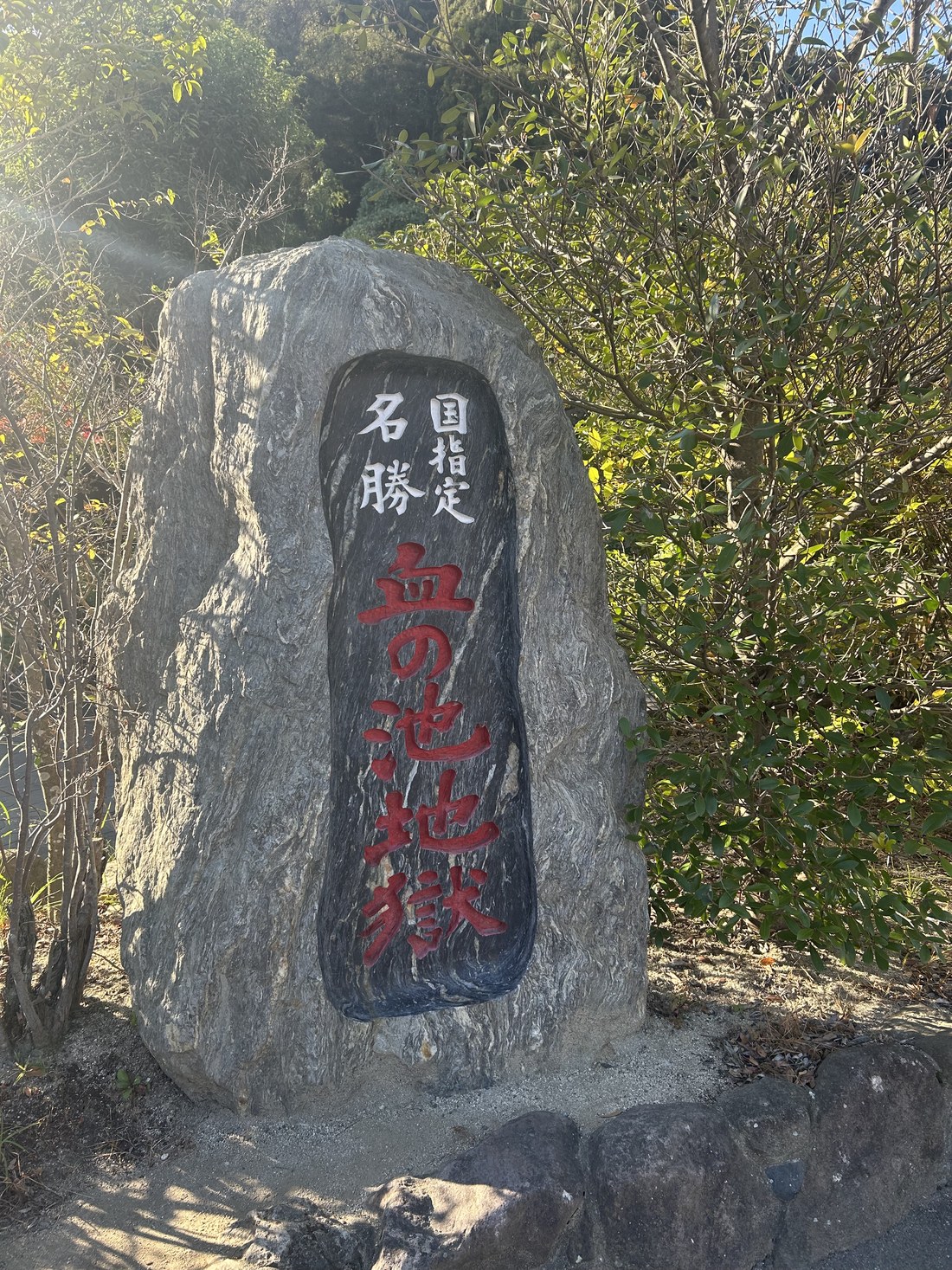
The first thing you notice in Beppu is that the whole town is steaming. Steam comes out of hillsides, hotel roofs and the gaps between houses. The city sits on one of the most active geothermal fields on Earth and has built itself around that. We came on our Kyushu trip and went straight to the strangest attraction in Japan: an official sightseeing route of hot springs so extreme they were named after Buddhist hells. The photo above is from Chinoike Jigoku, the “Blood Pond,” a rust-colored lake mentioned in texts over a thousand years old. Today families visit it and eat pudding steamed in volcanic vapor.
How the hell tour works
- Seven hells, two clusters. Five sit close together in the Kannawa district, walkable between each other; two more (including Chinoike and the geyser hell Tatsumaki) are a short bus or taxi ride away. Plan Kannawa first, then hop over.
- Buy the combined ticket at the first hell you enter: ¥2,200 for all seven, valid two consecutive days. Or buy the same pass on Klook before you go, which is what we would do again on a busy weekend.
- The headliners: Umi Jigoku, a pond of very bright cobalt blue; Chinoike Jigoku, the red one; and Tatsumaki Jigoku, a geyser that goes off about every half hour. Check the board at the entrance and time your visit.
- Eat the steam food. Eggs, pudding and vegetables cooked in volcanic steam (jigoku-mushi) are sold at and around the hells. The pudding at Chinoike is the classic choice.
 TSŪ INFORMATION
what Japanese connoisseurs know
Why “hells”? For most of history these ponds were dangerous (scalding, sulfurous, no good for bathing), and locals called the ground by the Buddhist word jigoku. The colors come from minerals: iron oxides make Chinoike red, dissolved minerals give Umi Jigoku its blue, and white clay clouds the White Pond Hell. Several of the hells are national Places of Scenic Beauty, and you can see this carved into the stone in our photo. The 通 way to end the day: the hells are only for looking, so do what locals do and soak in a real onsen. Beppu has more hot-spring sources than any other city in Japan, and the old public baths in town cost a few hundred yen.
Quick facts: Beppu hells
Tickets: all 7 hells ¥2,200 (2 days) · single ~¥450
Hours: roughly 8am–5pm; go early, tour buses arrive mid-morning
Eat: steam-cooked pudding and eggs (jigoku-mushi)
FAQ
Can I bathe in the hells?
No. They run far above bathing temperature, some near boiling. A couple of the hells have free foot baths fed by cooled water, so bring a small towel. For a full soak, the town’s real onsen are everywhere and cheap.
Are all seven worth it?
No. Two or three are amazing, the rest are pleasant or a bit commercial, and a couple rely on animal exhibits that some people will want to skip. If you are short on time, do Umi Jigoku and Chinoike Jigoku and leave it there.
Is Beppu doable as a day trip?
From Fukuoka, yes, but the best part of Beppu is the evening soak and the steam drifting past your ryokan window. Stay a night if you can.
• Beppu jigoku meguri = sightseeing circuit of 7 extreme hot springs · look, don’t bathe
• ¥2,200 covers all seven, valid 2 days · gates ~8am
• Best of the seven: cobalt Umi Jigoku · blood-red Chinoike · the Tatsumaki geyser
• Eat steam-cooked pudding · finish with a real onsen soak in town
• From our own Kyushu trip · nobody paid us anything
More from us: Beppu pairs perfectly with the calm canals of Yanagawa for a two-speed Kyushu itinerary. Planning the whole trip? Start with the Perfect Japan Guide.